


Understanding the Shift Toward Energy Independence on the Gulf Coast
Homeowners in Destin, Pensacola, and Navarre have long enjoyed breezy summers and stunning sunsets over the Gulf of Mexico. Yet, beneath the picturesque scenery lies a growing concern: the reliability and cost of traditional electricity. Recent grid disruptions, rising utility rates, and the threat of extreme weather events have prompted many coastal residents to reconsider how they power their homes. This emerging focus on coastal energy independence solar is not just a trend—it’s a strategic response to a changing energy landscape.
Find us here:
Solar Cost Calculator – Florida Panhandle Only
* Estimate based on $3.25 per watt for solar installation.
* For Tesla Powerwall 3 Batteries, $15,000 for the first battery, $12,000 for each additional battery.
* Other variations and types of Batteries are available.
The Rising Tide of Energy Uncertainty
Several factors contribute to the heightened sense of urgency among Gulf Coast homeowners. First, the region’s aging electrical infrastructure struggles to keep pace with increasing demand, especially during peak summer cooling periods. Second, the frequency of hurricanes and tropical storms can cause prolonged outages, leaving families without power for days. Finally, national policies and market dynamics have led to fluctuating utility rates that make budgeting for energy expenses increasingly difficult.
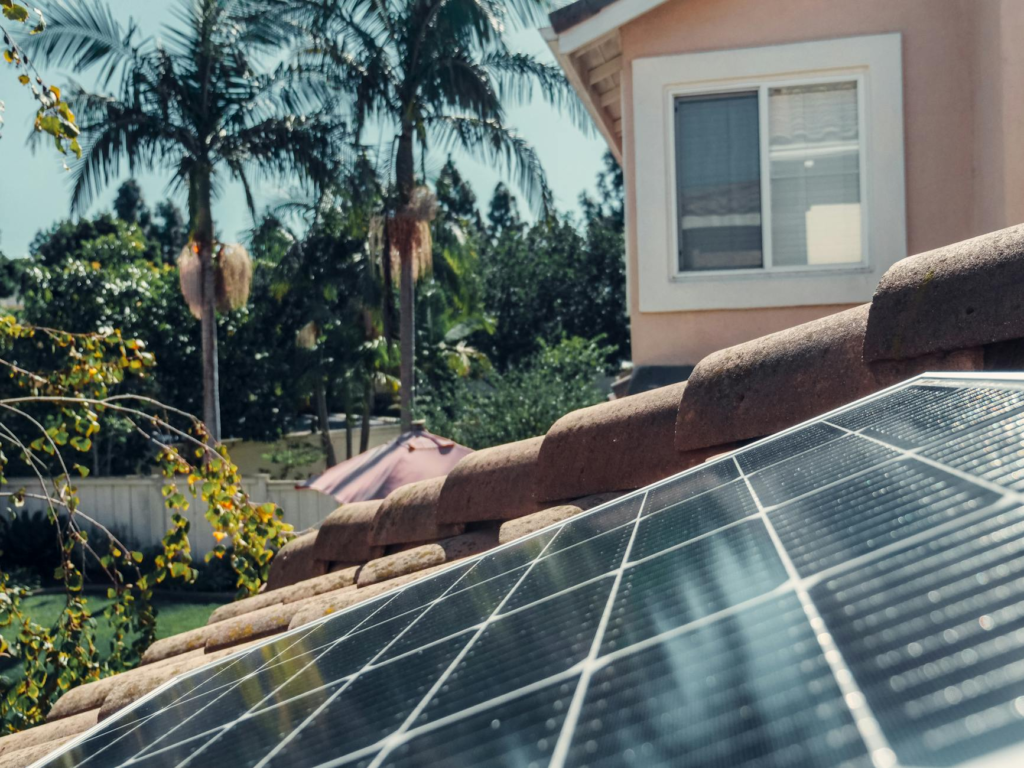
When power interruptions become a regular part of life, the appeal of generating electricity on‑site grows. Solar panels, paired with battery storage, offer a tangible solution that empowers homeowners to control their own energy supply, reduce dependence on the grid, and protect themselves from price volatility.
Key Benefits of Embracing Solar for Coastal Homeowners
Choosing solar power on the coast delivers a suite of advantages that extend beyond simple cost savings. Below are the most compelling reasons why coastal energy independence solar projects are gaining momentum in Destin, Pensacola, and Navarre.
- Reduced electricity bills—most systems offset 70‑100% of a typical home’s usage.
- Protection against grid outages through integrated battery storage.
- Increased property value—studies show homes with solar sell faster and at higher prices.
- Environmental stewardship by cutting carbon emissions and supporting renewable energy goals.
- Eligibility for federal, state, and local incentives that lower upfront costs.
For families who spend a significant portion of their budget on energy, the financial impact can be transformative. Moreover, the ability to generate clean power aligns with the coastal community’s growing commitment to sustainability and resilience.
Financial Incentives That Make Solar Viable
Government programs at multiple levels have been designed to accelerate the adoption of renewable energy. In Florida, homeowners can take advantage of the federal Investment Tax Credit (ITC), which currently offers a 30% credit on qualified solar installations. Statewide, the Florida Solar Energy System Incentive Program provides additional rebates, while certain municipalities in the Destin‑Pensacola corridor offer property tax exemptions for solar assets.
These incentives, combined with the decreasing cost of photovoltaic (PV) technology, mean that the payback period for many residential systems has dropped to under eight years. After that point, the electricity generated is essentially free, delivering long‑term savings that can offset the initial investment many times over.
Choosing the Right Solar System for a Coastal Home
Selecting a solar solution that can withstand the salty, humid environment of the Gulf Coast is crucial. Panels with high corrosion resistance, robust mounting hardware, and inverters rated for marine conditions are essential components of a durable system. Working with installers who understand the unique challenges of coastal installations ensures that the system will perform optimally for decades.
- Opt for panels with a high IEC 61215 certification for durability.
- Choose mounting systems that elevate panels to avoid salt spray.
- Consider micro‑inverters or power optimizers to mitigate shading issues common near trees and porches.
- Integrate battery storage to capture excess daytime generation for nighttime use.
When evaluating proposals, homeowners should ask about warranty terms specific to coastal exposure, the expected degradation rate of the panels, and the maintenance plan offered by the installer. These details help ensure that the promise of coastal energy independence solar is realized without unexpected costs down the line.
Installation Considerations Unique to Destin, Pensacola, and Navarre
The Gulf Coast’s building codes and permitting processes have been updated in recent years to streamline solar installations while maintaining safety standards. However, there are still region‑specific factors to keep in mind:
- Setbacks from property lines may be stricter near beachfront properties.
- Roof pitch and orientation affect optimal panel placement; many homes benefit from a south‑west tilt to capture late‑afternoon sun.
- Local utility interconnection agreements dictate the size of the net‑metering system you can install.
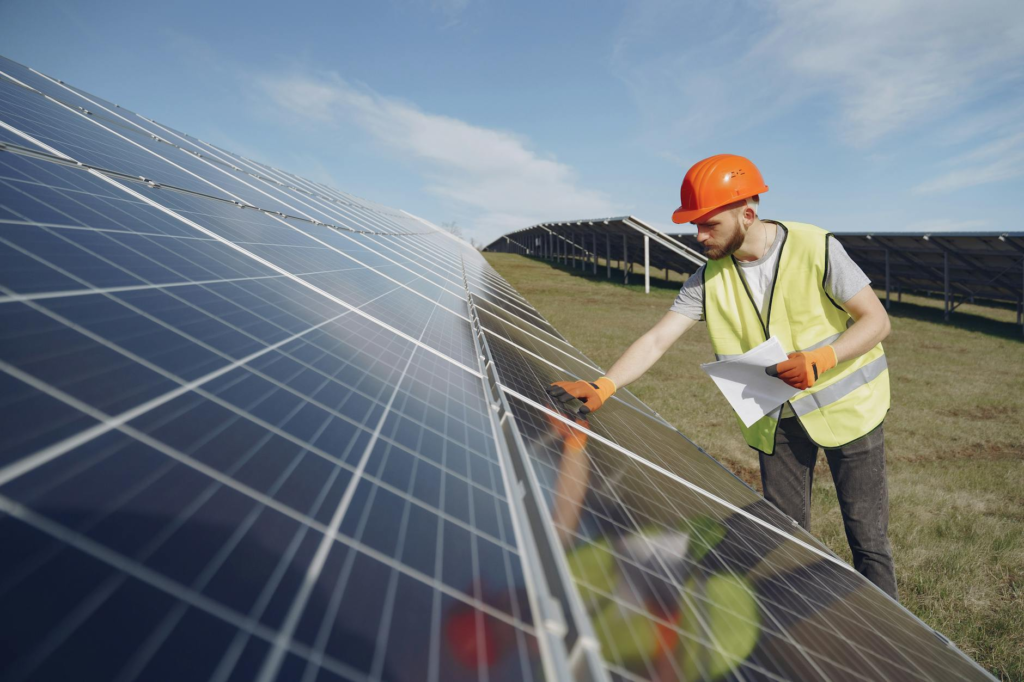
Engaging a local, licensed solar contractor who is familiar with the permitting offices in Destin, Pensacola, and Navarre can accelerate the approval timeline, often reducing the overall project duration by several weeks.
Maintaining Solar Performance in a Salt‑Air Environment
Even the most robust solar installations require regular upkeep to sustain peak efficiency. The salty air can accelerate the buildup of grime on panel surfaces, reducing output if left unchecked. Simple maintenance practices include:
- Rinsing panels with fresh water every 3–4 months, especially after storms.
- Inspecting mounting hardware for corrosion and tightening any loose bolts.
- Monitoring system performance through a mobile app to detect any drop in production.
Many installers offer a maintenance package that includes annual cleaning and system checks, giving homeowners peace of mind that their coastal energy independence solar investment remains productive throughout its 25‑year lifespan.
Comparative Overview of Incentives and Costs in Key Gulf Coast Cities
| City | Average System Size (kW) | Estimated Cost Before Incentives | State/Local Incentives | Typical Payback Period |
|---|---|---|---|---|
| Destin | 6.5 | $19,500 | $3,500 (city rebate) | 7–8 years |
| Pensacola | 7.0 | $20,800 | $2,800 (county rebate) | 8–9 years |
| Navarre | 6.0 | $18,300 | $4,200 (municipal incentive) | 6–7 years |
The table above illustrates how local incentives can shift the economics of a solar project. While the base cost of a system is similar across the three locations, Navarre’s higher municipal rebate shortens the payback period, making coastal energy independence solar especially attractive for homeowners there.
Real‑World Stories: Homeowners Who’ve Achieved Energy Independence
In Destin, the Martinez family installed a 7 kW solar array with a 10 kWh battery last summer. Within the first year, they reported a 78% reduction in their electric bill and were able to keep essential appliances running during a three‑day power outage caused by a tropical storm.
Across town in Pensacola, retired teacher Linda Owens opted for a smaller 5 kW system paired with a solar‑powered hot water heater. Her monthly utility costs dropped from $180 to under $50, and she now enjoys the confidence of knowing her home can stay powered even if the grid fails.
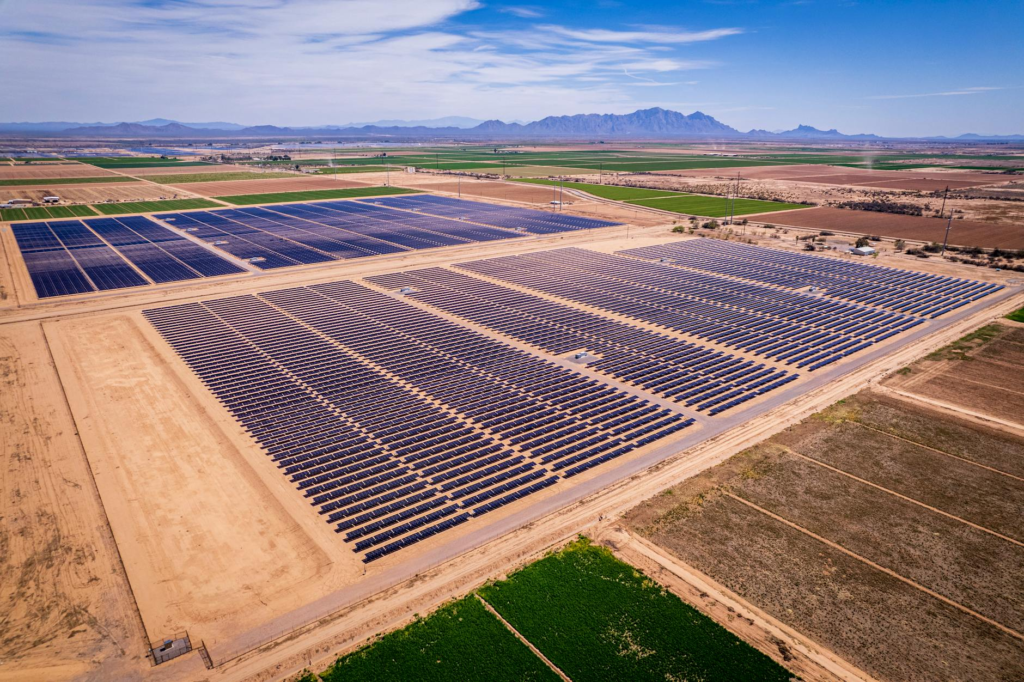
Navarre’s coastal community association recently completed a collective solar project for ten homes, leveraging bulk purchasing discounts and shared battery storage. The initiative not only cut individual costs but also fostered a sense of collective resilience, embodying the spirit of coastal energy independence solar.
Future Outlook: How Solar Will Shape the Gulf Coast’s Energy Landscape
Analysts predict that by 2035, more than half of new residential constructions in the Gulf Coast region will include solar as a standard feature. Advances in battery technology, such as higher energy density and longer lifespans, will further reduce reliance on the utility grid. Additionally, emerging policies aimed at decarbonizing the power sector are expected to increase the value of locally generated renewable energy.
For current homeowners, the window to capitalize on existing incentives and favorable financing terms is narrowing. Early adopters who invest now are likely to reap the greatest financial rewards while also contributing to a more resilient, low‑carbon future for their neighborhoods.
Taking the First Step Toward Energy Independence
If you’re a homeowner in Destin, Pensacola, or Navarre, begin by scheduling a free, no‑obligation solar assessment. A qualified installer will evaluate your roof’s orientation, shading, and structural integrity, then provide a customized proposal that outlines expected savings, system size, and financing options.
Remember, achieving coastal energy independence solar is not just about installing panels—it’s about securing a reliable, affordable, and sustainable energy source for generations to come.
Ready to make the switch? Contact a local solar professional today and start your journey toward energy independence.
In conclusion, the convergence of rising energy costs, grid vulnerability, and generous incentives makes solar the logical choice for Gulf Coast homeowners seeking stability and independence. By embracing solar, residents of Destin, Pensacola, and Navarre can protect their finances, enhance property values, and contribute to a greener future—all while enjoying the peace of mind that comes with reliable, home‑generated power.
