
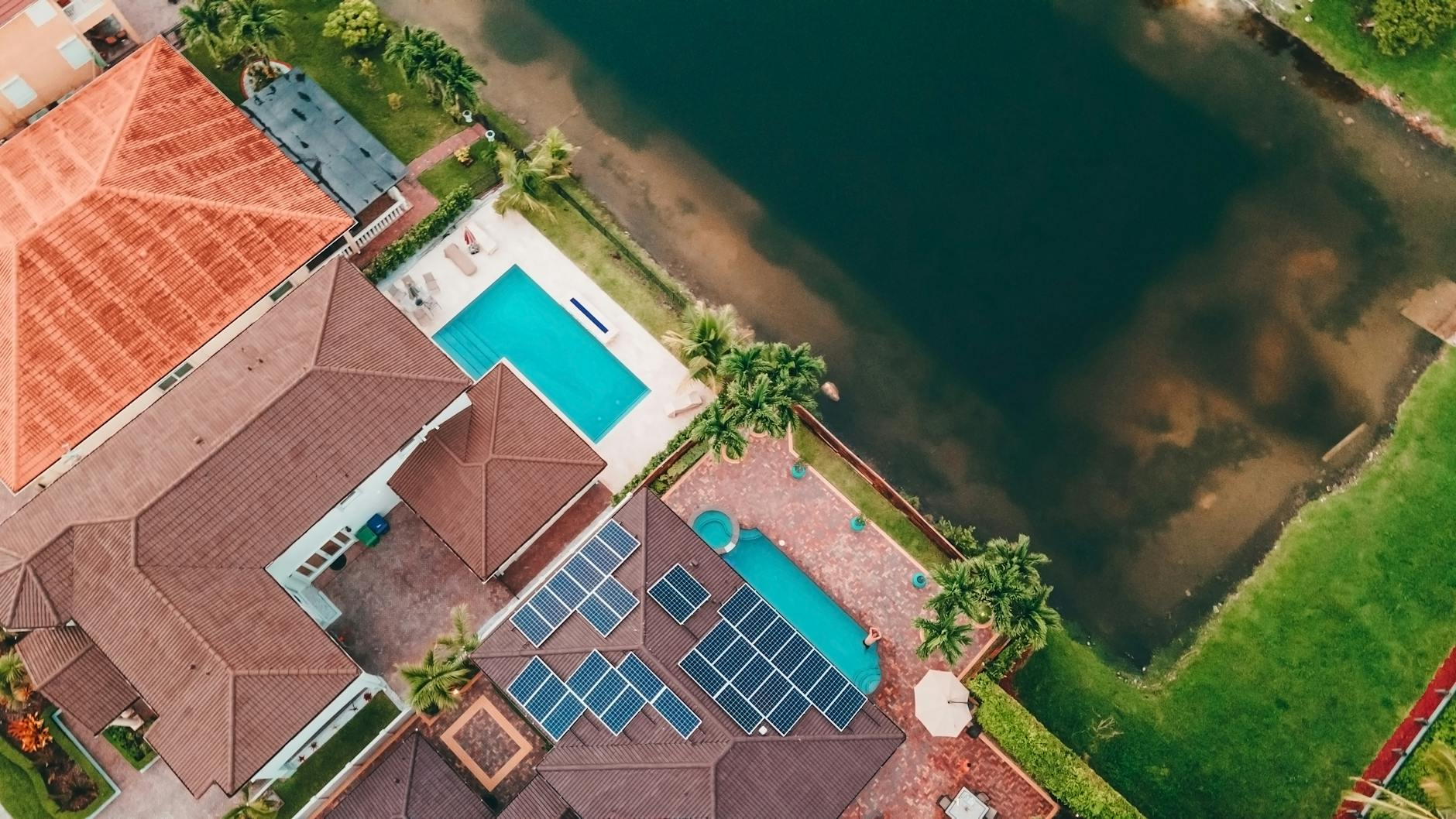
Knowing when to replace an HVAC system in Florida is harder than it sounds. A central air conditioner here runs for eight or nine months of the year, so it wears out sooner than the same unit would in a cooler state, yet a well-kept system can also keep going long past the age when a salesman says it is finished. This guide explains how long systems really last in the Panhandle, the signs that replacement is close, how to weigh a repair against a new unit, and what the decision means for your electric bill.
Solar Cost Calculator – Florida Panhandle Only
* Estimate based on $3.25 per watt for solar installation.
* For Tesla Powerwall 3 Batteries, $15,000 for the first battery, $12,000 for each additional battery.
* Other variations and types of Batteries are available.
How long an HVAC system lasts in Florida
National guides often quote 15 to 20 years for a central air conditioner. In Northwest Florida, a more realistic range is about 10 to 15 years. Three things shorten the life of a system here:
- Run time. A unit in Pensacola or Panama City Beach may run more hours in one year than a unit in the Midwest runs in three.
- Humidity. The system removes gallons of water from the air every day, which keeps coils and drain pans wet and encourages corrosion and algae.
- Salt air. Outdoor units within a mile or two of the Gulf, in places like Destin, Seaside and Navarre, can lose their coil fins to corrosion in well under ten years.
Inland homes in Crestview, Marianna or Chipley generally see longer equipment life than homes on the beach, all else being equal.
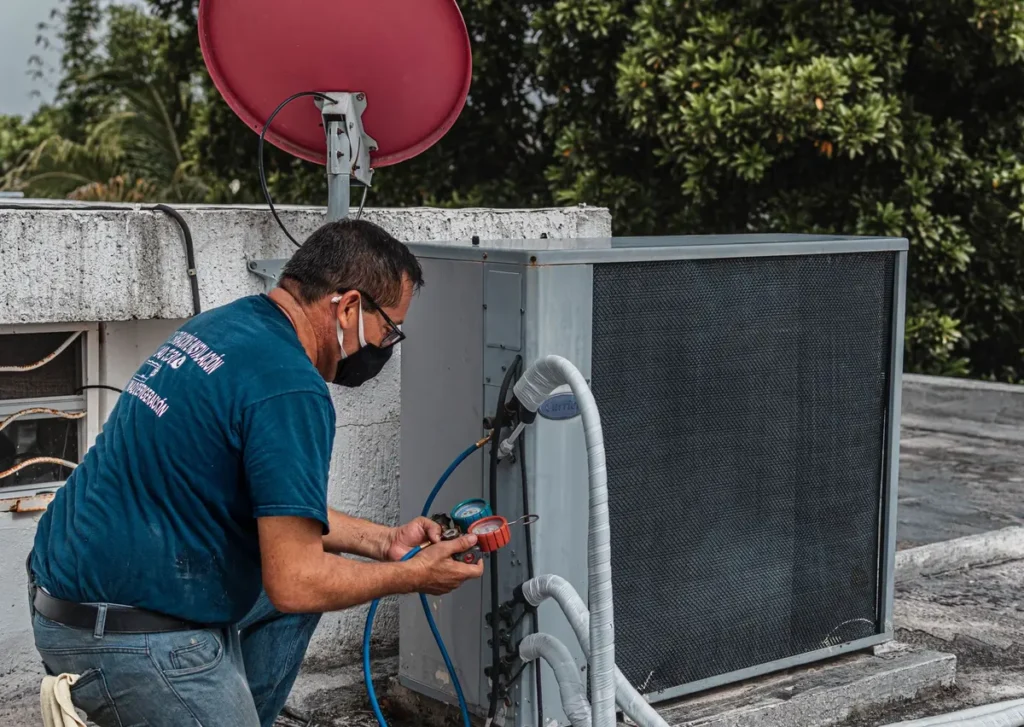
Seven signs your system is near the end
Age alone is not a reason to replace. These signs, especially in combination, are:
- It runs constantly on hot afternoons and still cannot hold the set temperature.
- Your electric bill has climbed over two or three summers with no change in rates or habits.
- Repairs are becoming frequent. One capacitor is routine. A capacitor, a fan motor and a refrigerant top-up in the same year is a pattern.
- It needs refrigerant added. Refrigerant is not used up. If the level is low, there is a leak.
- The house feels clammy even when the temperature is right, which means the system is no longer removing moisture well.
- New noises: grinding, rattling or a hard start when the compressor kicks on.
- Visible corrosion on the outdoor coil, or rust and water staining around the indoor air handler.
Repair or replace: a simple way to decide
A common rule in the trade is to multiply the repair quote by the age of the system in years. If the result is more than the price of a new system, replacement usually makes more sense. A $400 repair on a 6-year-old unit is an easy yes. A $2,000 compressor on a 13-year-old unit is usually money better put toward a new one.
Three other points tip the balance. First, if your system uses the older R-22 refrigerant, any repair involving refrigerant is expensive because R-22 is no longer produced. Second, the indoor and outdoor units are designed as a matched pair, so replacing only one half of an old system rarely works well. Third, a planned replacement in the fall or spring is calmer and often cheaper than an emergency in July, when every contractor from Fort Walton Beach to Lynn Haven is booked.
What a new system costs
Prices vary with the size of the home, the efficiency rating, the brand and how much ductwork needs attention. As a broad guide, many Panhandle homeowners pay somewhere between $6,000 and $12,000 for a complete central system replacement, with high-efficiency variable-speed systems and larger homes above that range. Always get at least two written quotes that list the model numbers, the efficiency rating and exactly what is included.
Efficiency ratings in plain language
Air conditioners are rated by SEER2, which measures cooling output per unit of electricity over a season. Higher is better. New systems installed in Florida must meet a federal minimum for the Southeast region, and many homeowners choose something a few points above the minimum.
In our climate, the more important choice is often the type of compressor:
- Single-stage systems are either fully on or off. They cost the least and are the least effective at removing humidity.
- Two-stage systems run at a lower setting most of the time, which gives longer, gentler cycles and better moisture removal.
- Variable-speed systems adjust continuously. They are the quietest, the most efficient and the best at humidity control, and they cost the most.
A heat pump, which cools in summer and heats in winter with the same equipment, suits the Panhandle well because our winters are mild.
Do not skip the sizing calculation
Bigger is not better. An oversized air conditioner cools the house quickly, shuts off, and never runs long enough to pull the moisture out of the air. The result is a cold, damp house and a mold risk. A good contractor will run a load calculation, often called a Manual J, based on your home's size, insulation, windows and orientation rather than simply matching the size of the old unit. If you have added attic insulation or new windows since the old system went in, you may need a smaller unit than before.
Check the ducts at the same time
Leaky ducts in a hot attic can waste a large share of the cooling you pay for. Before you spend on new equipment, ask the contractor to inspect and test the ductwork. Sealing and insulating ducts is one of the cheaper improvements you can make, and it lets a new system perform as rated.
How to make the system you have last longer
- Change the filter every one to three months.
- Keep the outdoor unit clear of plants, mulch and debris.
- Rinse the outdoor coil gently with fresh water a few times a year if you live near the coast.
- Flush the condensate drain line so it does not clog and overflow.
- Have the system serviced once a year, ideally in spring.
- Add a surge protector. Lightning and grid switching after storms are hard on compressors and control boards.
Where solar fits in
Cooling is the largest single use of electricity in most Florida homes, and it peaks in the same sunny hours that solar panels produce the most. That makes air conditioning and solar a natural match. If you are planning both, replace the HVAC first, or at least decide on it first. A more efficient system lowers your usage, which means a smaller and less costly solar array will cover it.
MSM Solar designs systems around your real usage, not a guess. Our pricing is about $3.25 per watt installed, and our solar calculator gives you a first estimate in a minute. If you want to keep the air conditioning running through an outage, ask us about battery storage as part of a new installation. A battery sized for whole-home cooling is larger than one sized for essentials, so it is worth planning the two together.
Frequently asked questions
How often should you replace an HVAC system in Florida?
Most systems in Florida last about 10 to 15 years. Coastal units often fall at the low end because of salt air, and well-maintained inland units can exceed it.
Should I replace my AC before it fails?
If it is over 12 years old and showing two or more warning signs, planning a replacement in the cooler months usually beats an emergency replacement in midsummer.
Is it worth repairing a 15-year-old air conditioner?
A small repair can be. A major repair such as a compressor or coil on a system that old rarely is, because other parts are close to failing too.
Will a new HVAC system lower my electric bill?
Usually, yes. A new, correctly sized system with sealed ducts uses noticeably less electricity than a worn system from the early 2010s, although the exact saving depends on your home.
Conclusion
Deciding when to replace an HVAC system in Florida comes down to age, repair history, comfort and your power bill taken together. Watch for the warning signs, use the repair-cost rule, insist on a proper sizing calculation and have the ducts checked, and you will get a system that keeps the house dry and comfortable for years.
Once your cooling is sorted, solar can take care of much of what it costs to run. Call MSM Solar at (850) 737-5197 or request a free quote, and we will call you back no later than two business days.