



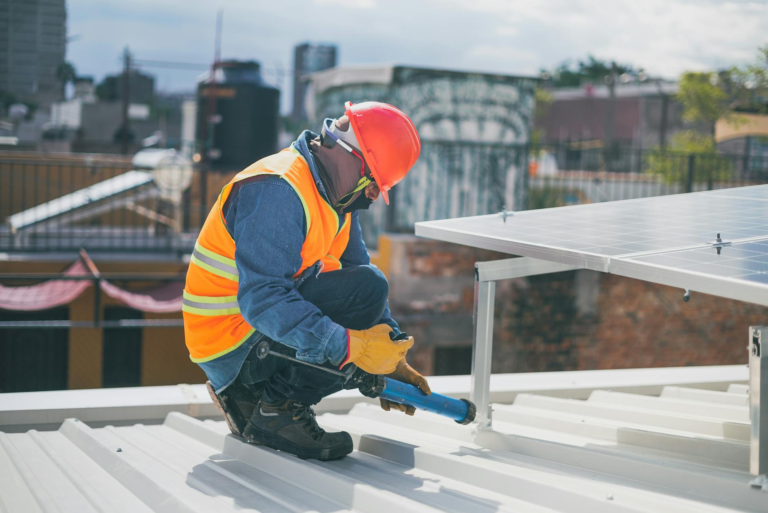
Understanding Solar Repair Frequency in Florida
When homeowners in Tallahassee and Crestview decide to invest in solar energy, one of the most common concerns that arises is how often the system might need repairs. The phrase solar repair frequency florida appears frequently in online forums, yet the reality is that modern photovoltaic installations are engineered for durability and low maintenance. In this article we will explore the technical reasons behind the rarity of frequent repairs, examine the environmental conditions unique to North‑Central Florida, and provide practical guidance to keep your system operating smoothly for decades.
Find us here:
Solar Cost Calculator – Florida Panhandle Only
* Estimate based on $3.25 per watt for solar installation.
* For Tesla Powerwall 3 Batteries, $15,000 for the first battery, $12,000 for each additional battery.
* Other variations and types of Batteries are available.
How Solar Panels Are Built to Last
Solar panels are not the fragile glass shards that some imagine. Each module consists of a sandwich of tempered glass, a high‑efficiency silicon cell layer, a protective polymer backsheet, and an aluminum frame. These components are rigorously tested to meet industry standards such as IEC 61215 and IEC 61730, which simulate years of exposure to temperature extremes, wind loads, and humidity. Because the panels are designed to endure a lifetime of 25‑30 years, the need for corrective action is minimal. This inherent robustness directly influences the overall solar repair frequency florida trend, keeping it well below that of many other home systems.
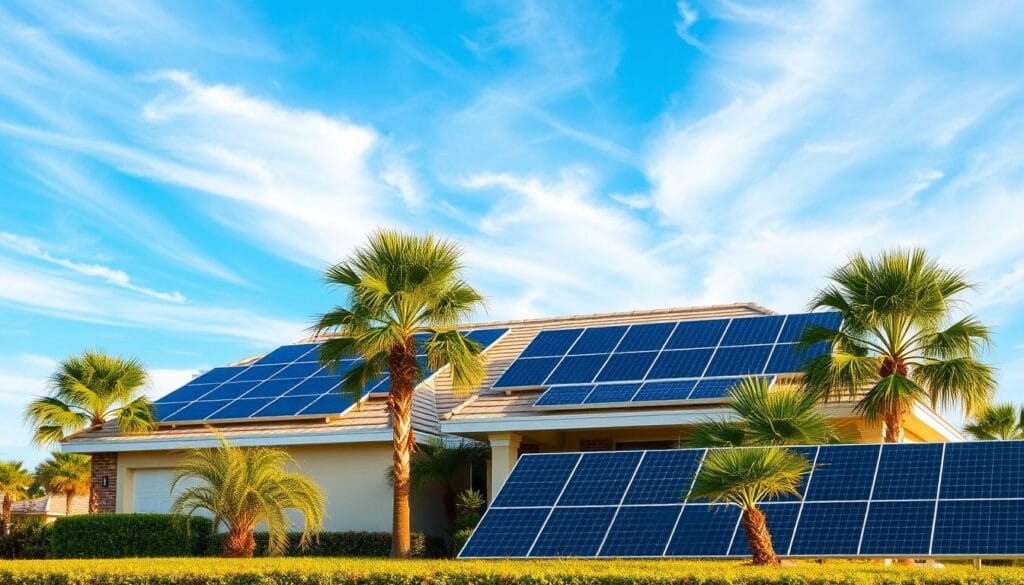
Materials and Coatings That Resist Wear
The tempered glass front is treated with anti‑reflective coatings that not only boost energy capture but also repel water and dust. The silicon cells themselves are encapsulated in ethylene‑vinyl acetate (EVA), a polymer that remains flexible under temperature fluctuations, preventing micro‑cracks. The backsheet, often made from polyvinyl fluoride (PVF), offers a barrier against moisture ingress, a common cause of electrical failures. Together, these materials create a sealed environment that dramatically reduces the likelihood of component degradation, thereby lowering the solar repair frequency florida metric.
Design Features That Minimize Stress
Engineers incorporate several design strategies to mitigate mechanical stress. For instance, the aluminum frame is extruded with a series of ridges that distribute wind pressure evenly across the panel surface. Junction boxes are positioned away from the panel edges to avoid direct impact from hail or debris. Moreover, the electrical interconnections use solder‑free, polymer‑based connectors that are less prone to corrosion. These thoughtful design choices mean that the system experiences fewer points of failure, which translates to a lower solar repair frequency florida compared with older, less sophisticated installations.
Environmental Factors in Florida
Florida’s climate presents a unique blend of challenges and advantages for solar arrays. While the state is renowned for its sunshine, it also endures high humidity, occasional hail, and the occasional tropical storm. Understanding how these factors interact with solar technology helps explain why repair incidents remain rare.
Weather Resistance Built Into Modern Systems
Most panels installed today carry a UL 1703 or UL 61730 rating, certifying them to withstand wind speeds up to 140 mph and hail impacts of up to 25 mm in diameter. The mounting hardware is similarly rated, with stainless‑steel or anodized aluminum components that resist rust even in the salty air near the Gulf Coast. These specifications are deliberately chosen for the Florida market, ensuring that panels can survive the occasional severe weather event without requiring immediate repairs.
UV Protection and Long‑Term Degradation
Ultraviolet radiation can degrade polymers over time, but modern backsheets incorporate UV‑absorbing additives that extend their functional life well beyond the typical 20‑year warranty period. Studies have shown that degradation rates for high‑quality panels in sunny climates like Tallahassee are less than 0.5 % per year, a figure that does not typically trigger repair actions. This low degradation curve is a key contributor to the modest solar repair frequency florida observed across the region.
Installation Best Practices in Tallahassee & Crestview
The quality of installation plays an equally important role in determining how often a system will need service. Certified installers in the Tallahassee and Crestview areas follow a strict set of protocols that align with the North American Board of Certified Energy Practitioners (NABCEP) standards. Proper alignment, secure fastening, and correct electrical connections all contribute to a system that operates reliably for years, keeping the solar repair frequency florida count low.
Proper Mounting and Angles
Mounting racks are calibrated to the specific latitude of each site, typically around 30° for Tallahassee, which maximizes yearly energy production while reducing stress on the panels. The tilt also encourages rainwater runoff, preventing water pooling that could otherwise seep into seams. By adhering to these guidelines, installers ensure that the panels experience minimal mechanical strain, a factor that directly influences repair frequency.
Quality of Local Installers
Reputable contractors in Crestview and surrounding counties invest in ongoing training and stay up‑to‑date with the latest code requirements, such as the 2020 National Electrical Code (NEC) Article 690. This attention to detail reduces the risk of wiring faults, loose connections, or improperly grounded systems—all common culprits behind service calls. When the installation is done right the first time, the solar repair frequency florida metric remains consistently low.
Common Myths About Frequent Repairs
- Myth: Solar panels need to be cleaned weekly or they will fail.
- Myth: High humidity in Florida causes rapid corrosion of all components.
- Myth: Inverter failures are inevitable within five years.
- Myth: Storm damage always leads to costly repairs.
Each of these misconceptions stems from outdated technology or anecdotal experiences that do not reflect modern system reliability. While regular cleaning can improve efficiency, it does not prevent mechanical breakdowns. Likewise, corrosion‑resistant materials and proper sealing protect against humidity, and most inverters now come with warranties of ten years or more, further reducing the chance of early failure. Understanding these facts helps homeowners set realistic expectations and recognize that the actual solar repair frequency florida is far lower than many fear.
Real‑World Data on Repair Frequency
Industry surveys conducted by the Solar Energy Industries Association (SEIA) and regional utility companies consistently show that the average homeowner in Florida experiences fewer than one service call per 10 years of operation. To illustrate this, the table below compares the average number of repair incidents per 100 installed systems in Florida versus two neighboring states with different climates.
| State | Avg. Repairs per 100 Systems (10 yr) |
|---|---|
| Florida | 8 |
| Georgia | 12 |
| Alabama | 15 |
The data underscores that even in a climate known for its heat and humidity, the solar repair frequency florida remains modest. The lower figure for Florida can be attributed to the combination of high‑quality components, stringent installation standards, and the natural advantage of abundant sunlight, which reduces the need for oversized equipment that might otherwise be prone to stress.
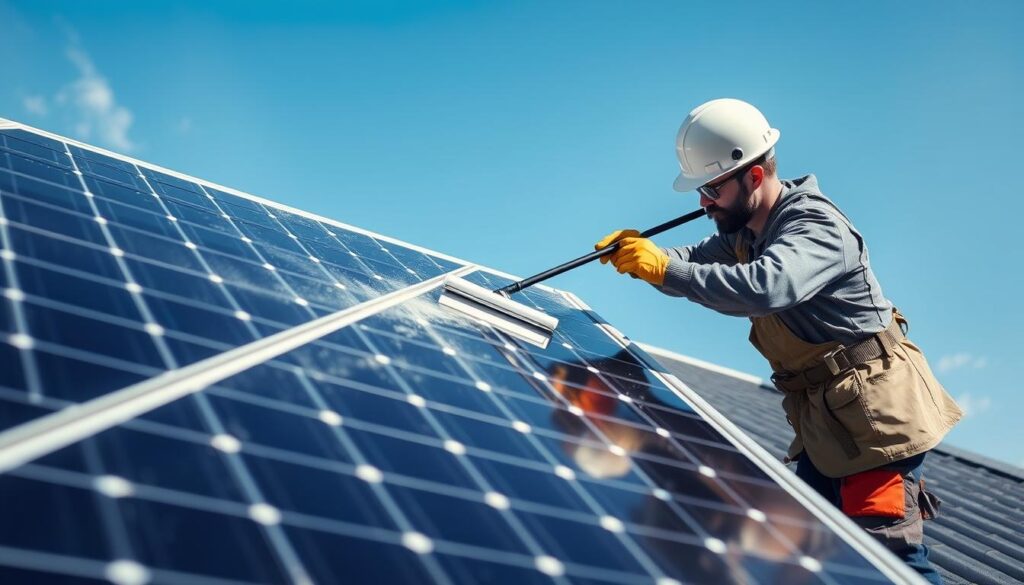
Maintenance Tips to Keep Repairs Low
Although solar systems are designed for minimal upkeep, a few proactive steps can further safeguard against unexpected issues and keep the solar repair frequency florida at its lowest possible level.
Seasonal Visual Inspections
Twice a year—once in the spring after the rainy season and once in the fall before the cooler months—walk around the array and look for loose mounting bolts, cracked glass, or debris accumulation. These quick visual checks can catch minor problems before they evolve into service‑requiring faults.
Cleaning Guidelines
In most parts of Tallahassee and Crestview, natural rain does an excellent job of removing dust. If a visible film builds up, a soft‑bristle brush or a low‑pressure hose can be used. Avoid abrasive tools and harsh chemicals, as they can damage the anti‑reflective coating and potentially increase future repair needs.
Monitoring Systems
Modern inverters often include built‑in monitoring platforms that alert owners to performance dips in real time. By responding promptly to a drop in output—often a sign of shading, wiring issues, or inverter warnings—homeowners can address concerns before they necessitate a formal repair visit, thereby influencing the overall solar repair frequency florida trend.
In addition to these practices, maintaining a record of all service activities, warranty information, and component serial numbers simplifies the process should any issue arise. A well‑documented system is easier for technicians to diagnose, which can reduce both downtime and repair costs.
Conclusion
Solar installations across Tallahassee and Crestview are engineered for longevity, with robust materials, smart design, and rigorous installation standards that collectively keep the solar repair frequency florida remarkably low. By understanding the technology, respecting local environmental factors, and following simple maintenance habits, homeowners can enjoy reliable, low‑maintenance clean energy for decades.
