




Understanding the Shift Toward Energy Predictability
Homeowners in coastal Florida cities like Destin and Tallahassee are feeling the pressure of fluctuating utility bills more than ever before. Over the past decade, the combination of rising fuel costs, seasonal demand spikes, and grid instability has turned electricity expenses into a moving target. In this environment, the ability to forecast monthly energy outlays becomes a critical factor in budgeting, home improvement planning, and long‑term financial security. This growing need for certainty is why many families are turning to solar solutions that promise a steadier, more transparent cost structure. When you pair solar panels with thoughtful energy predictability solar planning, you create a framework that reduces surprise charges and gives you greater control over how much you spend each month. The following sections explore why that predictability is becoming a prized commodity and how homeowners can capture its benefits.
Find us here:
Solar Cost Calculator – Florida Panhandle Only
* Estimate based on $3.25 per watt for solar installation.
* For Tesla Powerwall 3 Batteries, $15,000 for the first battery, $12,000 for each additional battery.
* Other variations and types of Batteries are available.
The Rising Cost of Energy in Florida
Florida’s energy market has historically been influenced by a mix of natural gas, coal, and a growing share of renewables. However, recent geopolitical events, supply chain disruptions, and the increasing frequency of extreme weather have caused wholesale electricity prices to swing dramatically. For a typical homeowner, this translates into variable monthly statements that can jump by 20 % or more from one billing cycle to the next. In tourist‑heavy areas such as Destin, seasonal spikes are especially pronounced, with air‑conditioning demand soaring during summer months. The unpredictability makes it difficult for families to allocate funds for other priorities like education, home repairs, or savings. As a result, many are actively seeking ways to lock in more stable rates, and solar installations—when combined with strategic energy predictability solar planning—offer a tangible path forward.
Defining Energy Predictability
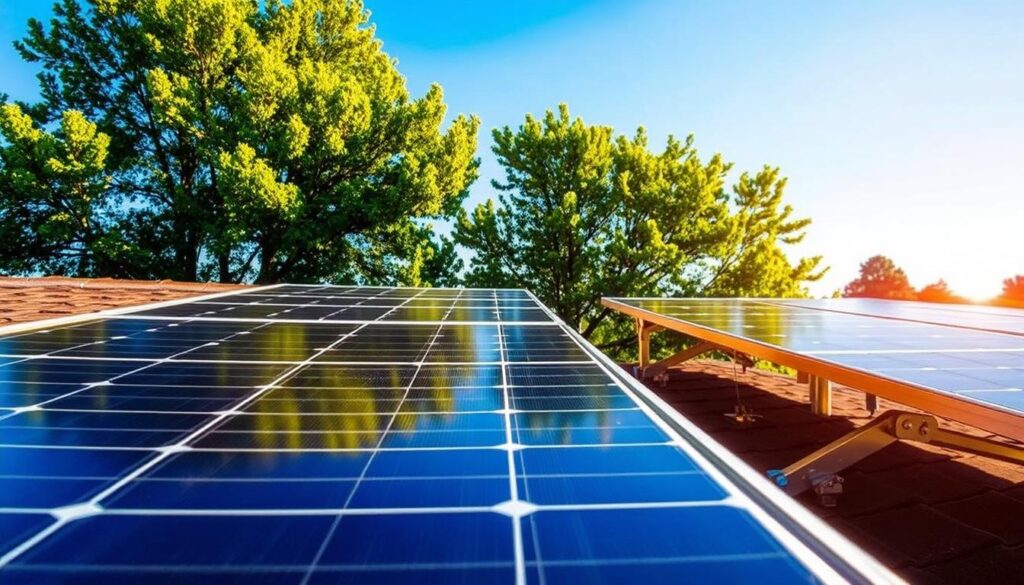
Energy predictability refers to the ability of a household to anticipate its electricity consumption costs with a high degree of confidence. It does not mean that the cost will never change, but rather that the range of possible expenses is narrowed and more transparent. Achieving this level of certainty typically involves three pillars: accurate usage monitoring, fixed‑rate agreements or self‑generation, and intelligent load management. Solar panels are at the heart of the second pillar because they allow homeowners to generate a portion of their own power, reducing reliance on utility‑priced electricity. When paired with energy predictability solar planning, which includes proper system sizing, battery storage considerations, and consumption forecasting, the result is a home that can largely predict its monthly energy spend, even when market conditions shift.
How Energy Predictability Solar Planning Works
Energy predictability solar planning is a disciplined approach that starts with a detailed analysis of a household’s historical electricity usage. By examining past utility bills, seasonal trends, and the impact of major appliances, a solar designer can size a photovoltaic system that matches the home’s consumption profile. The next step involves selecting the right equipment—high‑efficiency panels, inverters, and, when appropriate, battery storage—to ensure consistent output throughout the year. Finally, the plan incorporates smart monitoring tools that provide real‑time data on production versus consumption, enabling homeowners to adjust habits or settings to stay within a predictable cost envelope. When executed correctly, this methodology can reduce a family’s exposure to volatile utility rates by up to 70 %.
Benefits for Homeowners in Destin and Tallahassee
For residents of Destin, the proximity to the Gulf of Mexico means hot, humid summers and a heavy reliance on air conditioning. In Tallahassee, the climate swings between sweltering heat and cooler winter nights, creating a different set of load patterns. Energy predictability solar planning takes these local nuances into account, allowing each homeowner to tailor a solar system that aligns with their unique seasonal peaks. The immediate benefit is a more stable monthly bill that is less vulnerable to the spikes caused by extreme weather events. Additionally, many local utilities in these regions offer net‑metering programs that credit excess solar generation, further smoothing out costs and sometimes turning surplus energy into a small revenue stream.
Financial Advantages of Predictable Energy Costs
Predictable energy costs translate directly into financial peace of mind. When homeowners know that their electricity expense will stay within a narrow band, they can allocate savings toward other goals such as home renovations, college funds, or retirement accounts. Moreover, lenders and mortgage providers increasingly view homes with solar installations and demonstrated energy predictability as lower‑risk assets, which can lead to better financing terms. In some cases, the reduction in utility bills also qualifies homeowners for state or local incentives, further improving the return on investment. By integrating energy predictability solar planning into the decision‑making process, families can lock in a predictable expense trajectory that outperforms traditional utility‑only scenarios over the life of the system.
Environmental and Lifestyle Benefits
Beyond the monetary upside, predictable solar energy generation contributes to a smaller carbon footprint. When a home consistently produces a sizable portion of its own electricity, it reduces the demand on fossil‑fuel‑based power plants, especially during peak summer months when those plants are most polluting. Homeowners also gain lifestyle flexibility: with a reliable solar system, they can power home offices, electric vehicles, and outdoor entertainment without worrying about sudden cost surges. The confidence that comes from energy predictability solar planning encourages greener habits, such as scheduling high‑energy tasks during sunny periods, which further amplifies environmental gains.

The Role of Technology and Data
Modern solar installations are powered by sophisticated monitoring platforms that collect data on panel performance, weather conditions, and household consumption. This data feeds into predictive algorithms that forecast daily and monthly generation, allowing homeowners to see exactly how much energy they will produce and use. When combined with smart thermostats, automated lighting, and load‑shifting appliances, the system can dynamically balance production and demand, keeping costs within the expected range. Energy predictability solar planning relies on these technologies to turn raw data into actionable insights, making the promise of stable bills a practical reality rather than a vague concept.
Comparison of Fixed‑Rate Utility Plans vs. Solar‑Generated Power
| Aspect | Fixed‑Rate Utility Plan | Solar‑Generated Power with Predictability Planning |
|---|---|---|
| Cost Variability | High – subject to market swings | Low – generation is self‑controlled |
| Upfront Investment | None | Initial system cost (offset by incentives) |
| Environmental Impact | Depends on grid mix | Significant reduction in CO₂ |
| Long‑Term Savings | Limited | Potential 50‑70% reduction in bills |
Steps to Implement Energy Predictability Solar Planning
- Gather three years of utility bills to understand seasonal usage patterns.
- Schedule a professional solar site assessment that factors in roof orientation, shading, and local climate.
- Use a solar design tool to size the system so that it meets at least 80 % of annual consumption.
- Consider adding battery storage if you want to offset nighttime usage and increase predictability.
- Choose a reputable installer with a track record of delivering on‑time, high‑performance systems.
- Enroll in your utility’s net‑metering program to receive credits for excess generation.
- Install a monitoring platform that provides real‑time data and alerts for performance deviations.
- Review the system’s output each month and adjust habits (e.g., running the dishwasher during peak sun) to stay within budget.
Common Misconceptions About Solar Predictability
- “Solar is only for sunny states.” Even on cloudy days, panels generate enough electricity to contribute to a predictable energy mix.
- “You can’t control the output once panels are installed.” Energy predictability solar planning includes smart controls that let you shift loads to match production.
- “Solar systems are too expensive for budget‑conscious families.” With tax credits, financing options, and the long‑term savings from predictable bills, the ROI often exceeds expectations.
- “Utility rates will always be lower than solar.” While utility rates may appear low today, their volatility makes solar a safer bet for cost stability.
The Future Outlook for Energy Predictability
As the grid evolves to incorporate more renewable energy sources, the importance of energy predictability will only increase. Advanced forecasting tools, community solar projects, and increasingly affordable battery technology are all converging to give homeowners unprecedented control over their electricity costs. In Destin and Tallahassee, where tourism, climate, and local policies intersect, the momentum toward reliable, self‑generated power is gaining speed. Homeowners who adopt energy predictability solar planning now position themselves to reap both immediate financial benefits and long‑term resilience against market fluctuations.
In summary, predictable energy costs are becoming a cornerstone of smart homeownership in Florida. By embracing solar technology and following a disciplined planning process, families can lock in stable monthly expenses, protect themselves from utility rate spikes, and contribute to a cleaner environment. Energy predictability solar planning is not just a trend—it’s a strategic investment that delivers peace of mind and financial security for years to come.
