



Introduction: The Growing Role of Solar in Modern Housing
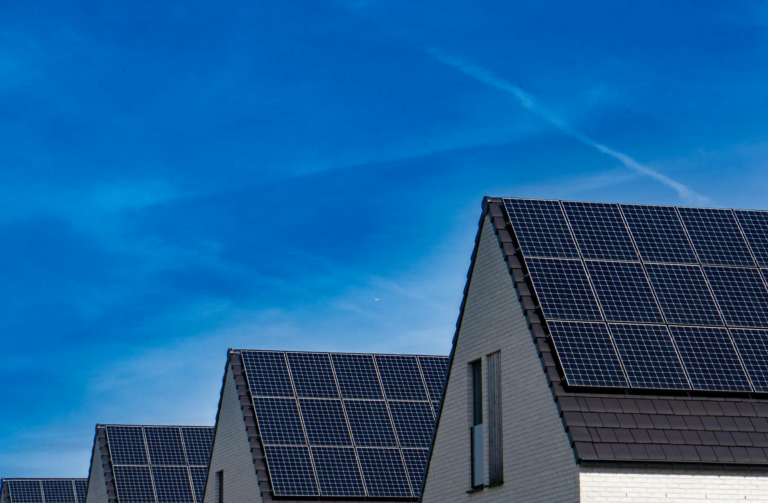
Across the Florida Panhandle, homeowners are witnessing a remarkable shift in the way they power their residences. No longer is solar seen as a niche add‑on for the eco‑conscious; it is rapidly becoming a standard feature of solar energy efficient homes. This transition is driven by a blend of technological advances, favorable policies, and an increasing awareness of long‑term cost savings. In this article we explore why solar is emerging as a cornerstone of energy‑efficient home design, how it benefits both the environment and the homeowner’s wallet, and what practical steps you can take if you’re considering making the switch.
Find us here:
Solar Cost Calculator – Florida Panhandle Only
* Estimate based on $3.25 per watt for solar installation.
* For Tesla Powerwall 3 Batteries, $15,000 for the first battery, $12,000 for each additional battery.
* Other variations and types of Batteries are available.
The Rise of Solar in the Florida Panhandle
The Florida Panhandle enjoys abundant sunshine year‑round, making it an ideal region for photovoltaic (PV) installations. Recent data from the Florida Public Service Commission shows a 45 % increase in residential solar capacity over the past three years. Local utilities have introduced net‑metering programs that allow homeowners to feed excess electricity back into the grid, offsetting their own consumption and reducing overall utility bills. Coupled with state‑wide tax incentives and a growing network of certified installers, the financial barriers that once limited adoption have diminished considerably.
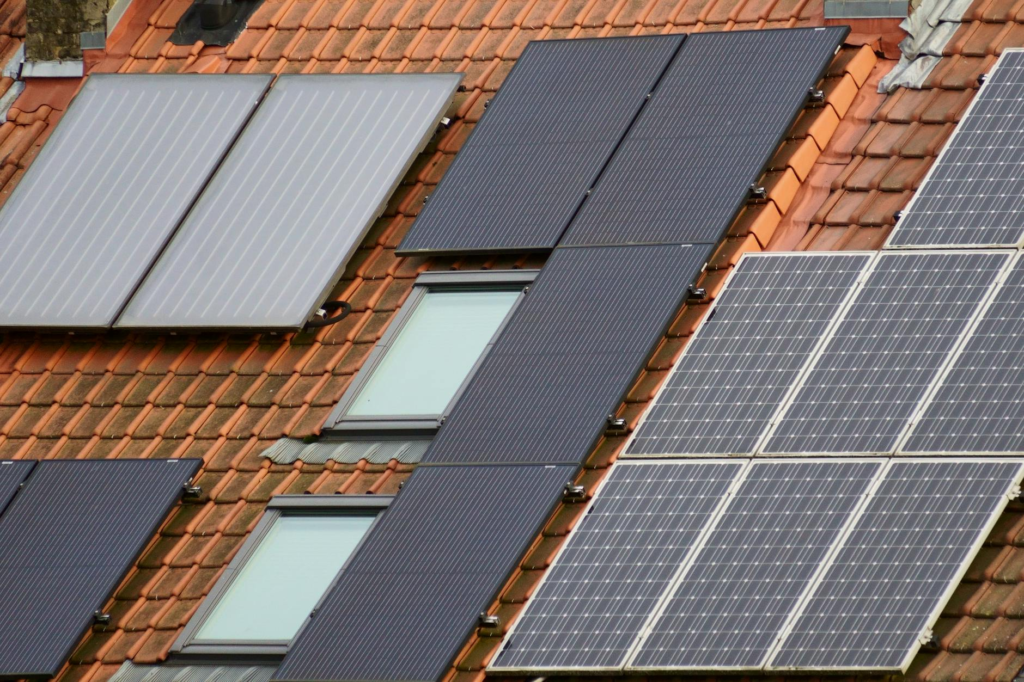
These market dynamics have encouraged developers to design new builds with solar readiness in mind. Roof orientations are optimized for maximum sun exposure, electrical panels are pre‑wired for easy inverter integration, and many new communities are marketed as “green neighborhoods” that feature shared solar arrays. As a result, the phrase solar energy efficient homes is appearing more frequently in real‑estate listings, signaling to buyers that a property is both forward‑thinking and cost‑effective.
Benefits of Solar for Energy‑Efficient Homes
Cost Savings That Add Up Over Time
One of the most compelling reasons homeowners choose solar is the direct impact on monthly utility expenses. A typical 6‑kilowatt system in the Panhandle can offset up to 80 % of a household’s electricity use, translating into annual savings of $1,200–$1,800 depending on consumption patterns. Over a 25‑year system lifespan, those savings can exceed $30,000, especially when factoring in the depreciation of traditional energy prices. Moreover, many financing options—such as power purchase agreements (PPAs) and solar loans—allow families to install panels with little or no upfront cost, further enhancing affordability.
Environmental Impact and Carbon Reduction
Solar power produces electricity without burning fossil fuels, which means each kilowatt‑hour generated reduces greenhouse gas emissions. For an average home, a 6‑kilowatt system can prevent the release of roughly 5,500 pounds of CO₂ annually. When multiplied across thousands of homes, the cumulative effect contributes significantly to state and national climate goals. By integrating solar, homeowners are not only cutting their own bills but also playing a vital role in preserving the natural beauty of the Panhandle’s beaches, wetlands, and wildlife habitats.
Increased Property Value and Market Appeal
Numerous studies have shown that homes equipped with solar panels command higher resale prices. The Appraisal Institute reports an average premium of 4.1 % for properties with solar installations. Buyers are attracted to the promise of lower utility costs and the perception of a modern, sustainable lifestyle. In markets like the Florida Panhandle, where new construction is booming, having a solar‑ready home can differentiate a listing and shorten the time on market.
How Solar Integrates with Modern Home Design
Architects and builders are increasingly incorporating solar considerations early in the design process. This integration ensures that panels are placed on optimal roof sections, that shading from trees or adjacent structures is minimized, and that the aesthetic impact aligns with the home’s style. For example, sleek, low‑profile solar tiles can blend seamlessly with traditional shingle roofs, while bifacial panels can be mounted on façades to generate power without compromising curb appeal. Smart home technologies also complement solar systems, allowing residents to monitor production, storage, and consumption in real time via mobile apps.
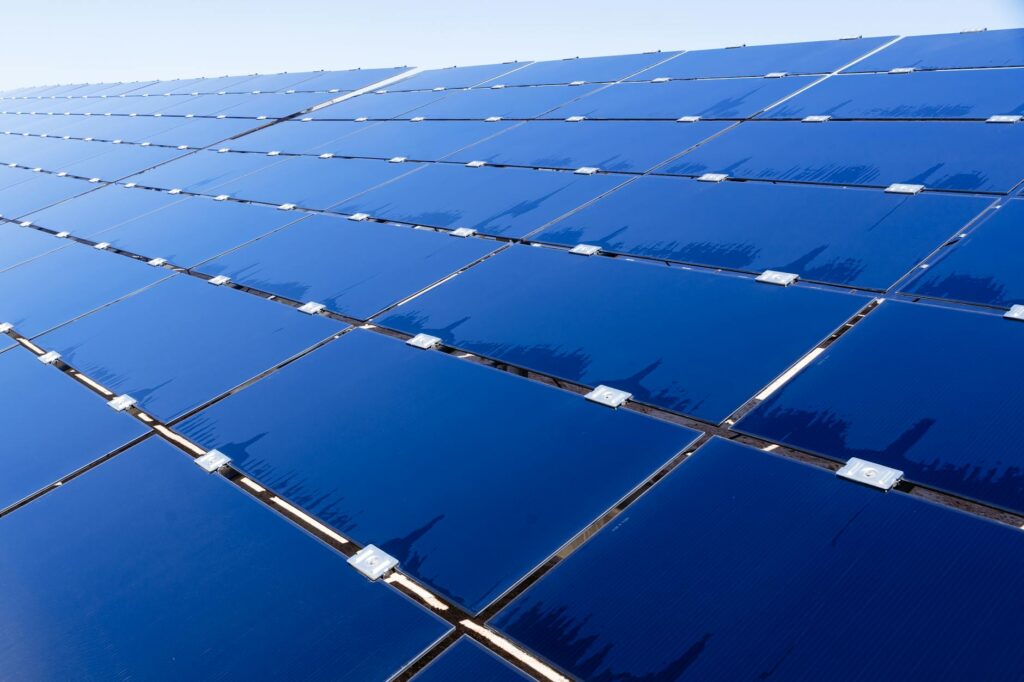
In addition, many new homes feature battery storage solutions that enable homeowners to retain excess solar energy for use during nighttime or grid outages. This synergy between generation and storage enhances resilience, a feature that is increasingly valued in regions prone to hurricanes and severe weather events.
Key Factors Driving Adoption of Solar Energy Efficient Homes
- Abundant sunshine and favorable climate conditions.
- State and local incentives that reduce upfront costs.
- Net‑metering policies that allow homeowners to earn credits.
- Advancements in panel efficiency and durability.
- Growing consumer awareness of environmental stewardship.
- Availability of financing options tailored to residential projects.
Comparative Data: Solar Savings vs. Traditional Energy Costs
| Metric | Average Annual Savings (USD) | CO₂ Reduction (pounds) |
|---|---|---|
| 6 kW Residential System | $1,500 | 5,500 |
| 8 kW Residential System | $2,000 | 7,300 |
The figures above illustrate how a modest solar installation can produce tangible financial and environmental benefits. Even in years with slightly lower sunlight, the system continues to generate power, ensuring that homeowners experience consistent savings and a reduced carbon footprint.
Tips for Homeowners Considering Solar Installation
- Conduct a professional site assessment to determine the optimal system size and panel placement.
- Review local utility policies, especially net‑metering rules, to understand credit structures.
- Explore financing options such as solar loans, leases, or PPAs to find the best fit for your budget.
- Choose reputable installers with certifications from the North American Board of Certified Energy Practitioners (NABCEP).
- Consider adding battery storage if you experience frequent power outages or want to maximize self‑consumption.
- Check for available state tax credits, rebates, or local incentive programs that can lower overall costs.
By taking these steps, you can ensure that your investment aligns with the long‑term goals of creating a solar energy efficient home that delivers both economic and ecological returns.
Frequently Asked Questions About Solar for Homes
- How long does a solar panel system typically last? Most panels come with a 25‑year performance warranty, and many continue to generate electricity well beyond that period.
- Will solar panels work during a hurricane? Panels are engineered to withstand high winds and heavy rain, but it’s advisable to have them inspected after severe weather.
- Can I install solar on a shaded roof? Partial shading reduces efficiency, but micro‑inverters or power optimizers can mitigate the impact.
- What maintenance is required? Solar systems are low‑maintenance; occasional cleaning and a yearly inspection are usually sufficient.
These common concerns often dissolve once homeowners see the real‑world performance data and hear from neighbors who have already made the transition to a solar energy efficient home.
Conclusion
Solar power is no longer a futuristic concept; it is fast becoming a baseline feature of energy‑efficient homes throughout the Florida Panhandle. By delivering cost savings, reducing carbon emissions, and boosting property values, solar aligns perfectly with the goals of modern homeowners seeking sustainability without sacrifice. If you’re ready to join the growing community of residents enjoying the advantages of a solar energy efficient home, now is the ideal time to explore your options and start planning your installation.
