



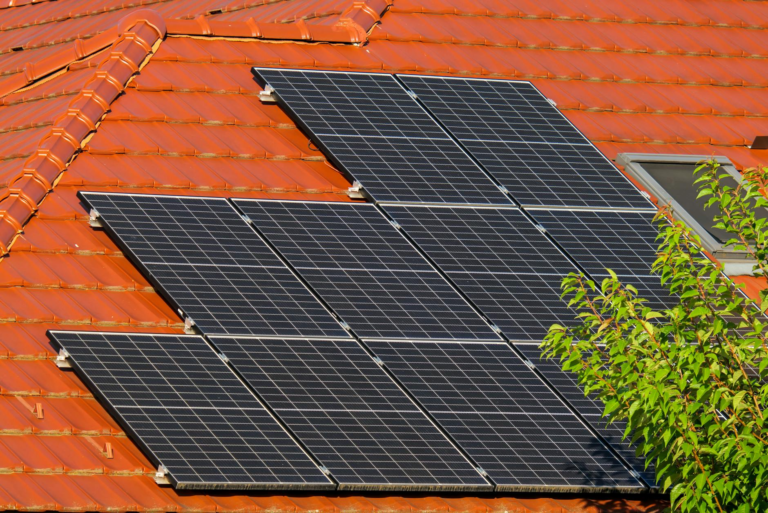
Across the coastal communities of Destin and Tallahassee, a noticeable shift is occurring in the way families think about power. No longer is electricity simply a utility that’s turned on and off; it has become a central component of daily budgeting, environmental stewardship, and long‑term home value. This transformation is driven by a blend of rising utility rates, increased access to renewable technology, and a growing cultural emphasis on sustainability. As a result, many households are actively seeking ways to monitor, reduce, and optimize their consumption. The phrase energy awareness homeowners solar has entered local conversations, reflecting a collective desire to understand how solar solutions can fit into a modern, responsible lifestyle.
Find us at:
Solar Cost Calculator – Florida Panhandle Only
* Estimate based on $3.25 per watt for solar installation.
* For Tesla Powerwall 3 Batteries, $15,000 for the first battery, $12,000 for each additional battery.
* Other variations and types of Batteries are available.
What Is Fueling the Rise of Energy Awareness?
Several forces converge to make energy awareness a household priority. First, utility rates in the Florida panhandle have risen consistently over the past decade, putting pressure on family budgets. Second, climate‑related news—ranging from extreme heatwaves to coastal erosion—has heightened public concern about carbon footprints. Third, advancements in solar technology have lowered installation costs and increased efficiency, making the option more accessible than ever before. Together, these factors encourage homeowners to ask questions about where their power comes from, how much they are paying, and what alternatives exist. The search term energy awareness homeowners solar now appears frequently in local forums, indicating a genuine interest in actionable information.

The Role of Solar Power in Modern Homes
Solar power is no longer a niche solution reserved for eco‑enthusiasts or large commercial installations. With the proliferation of net‑metering policies and state‑wide incentives, solar panels have become a practical choice for the average homeowner. By converting sunlight into electricity on‑site, families can offset a significant portion of their monthly bills and, in some cases, generate excess power that utilities will purchase. This direct relationship between sunlight and savings resonates strongly with those seeking to improve their energy awareness homeowners solar strategy, as it provides tangible, measurable benefits.
Key Benefits for Homeowners
Cost Savings Over Time
One of the most compelling reasons families invest in solar is the potential for long‑term financial relief. While the upfront cost of a residential solar system can range from $15,000 to $25,000, the average payback period in Florida is between 6 and 9 years. After that, the electricity produced is essentially free, aside from minimal maintenance expenses. For a typical household that spends $150 per month on electricity, the cumulative savings over a 25‑year system lifespan can exceed $30,000. This figure is a cornerstone of the energy awareness homeowners solar conversation, as it directly ties environmental choices to a healthier bank account.
Environmental Impact and Community Health
Beyond the dollars saved, solar installations contribute to a reduction in greenhouse gas emissions. A 5‑kilowatt system—common for a single‑family home—can offset roughly 6,000 pounds of CO₂ each year, equivalent to planting over 300 trees. In coastal areas like Destin, where sea‑level rise poses a real threat, decreasing reliance on fossil‑fuel power plants can help mitigate broader climate challenges. Homeowners who prioritize energy awareness homeowners solar often cite the desire to leave a cleaner environment for future generations as a primary motivator.
Practical Steps to Boost Energy Awareness
- Conduct a home energy audit—many local utilities offer free assessments.
- Install smart meters and real‑time monitoring devices to track usage by appliance.
- Upgrade to ENERGY STAR‑rated appliances and LED lighting.
- Seal gaps around doors and windows to reduce HVAC load.
- Explore community solar programs if rooftop installation isn’t feasible.
- Review state and local incentives for solar rebates and tax credits.
Each of these actions contributes to a clearer picture of where energy is consumed and where waste occurs. By combining data‑driven insights with strategic upgrades, homeowners can craft a personalized plan that aligns with both budgetary goals and sustainability values. The phrase energy awareness homeowners solar becomes more than a keyword; it evolves into a roadmap for meaningful change.
Comparing Energy Sources: A Quick Reference
| Energy Source | Average Monthly Cost (USD) | CO₂ Emissions (lb/yr) | Typical Installation Cost |
|---|---|---|---|
| Grid Electricity (Florida Avg.) | $150 | 7,500 | N/A |
| Residential Solar (5 kW) | $30–$50 (after net‑metering) | ~0 (offset by generation) | $15,000–$25,000 |
| Natural Gas Generator | $200–$250 | 12,000 | $3,000–$5,000 |
The table above illustrates why many families are shifting their focus toward solar. While the initial outlay is higher, the ongoing monthly cost drops dramatically, and the environmental impact becomes negligible. For homeowners seeking to enhance their energy awareness homeowners solar knowledge, such side‑by‑side comparisons are invaluable.
Local Incentives and Programs in Destin and Tallahassee
Both Destin and Tallahassee benefit from state‑level initiatives that make solar adoption more affordable. The Florida Solar Energy System Incentives Program offers a 30% tax credit for residential installations, while local utilities provide rebates ranging from $500 to $1,500 depending on system size. Additionally, the Tallahassee Energy Alliance runs workshops that guide residents through the permitting process, financing options, and long‑term maintenance strategies. Homeowners who stay informed about these programs often experience smoother project timelines and higher overall satisfaction.
Future Outlook: What’s Next for Energy‑Savvy Homeowners?
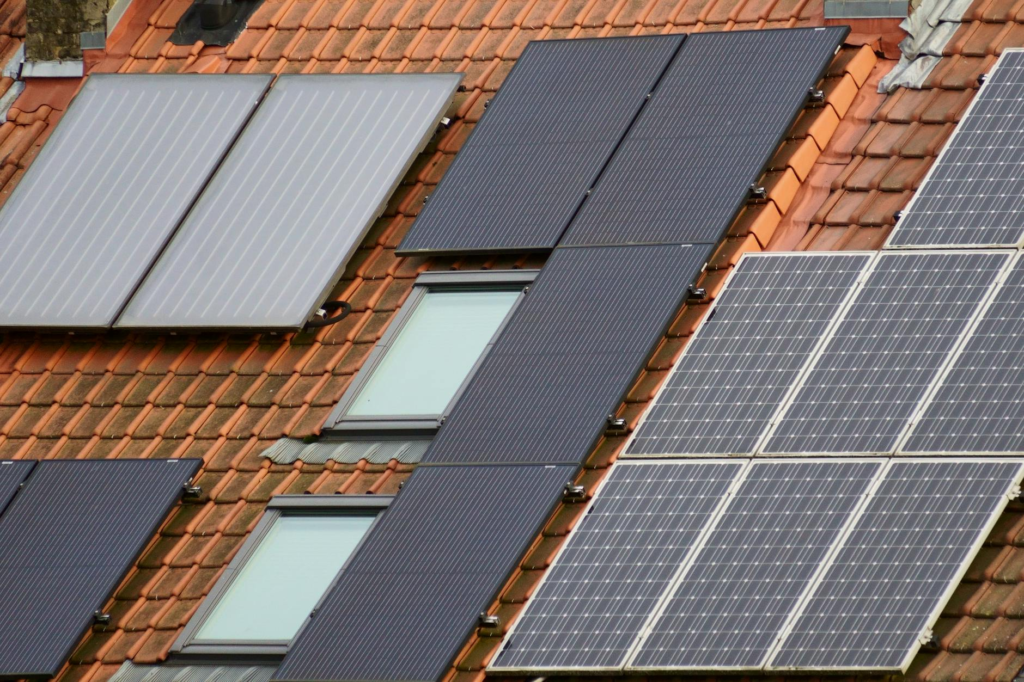
Looking ahead, several emerging trends promise to deepen the integration of solar into everyday life. Battery storage solutions, such as the Tesla Powerwall or LG Chem RESU, are becoming more cost‑effective, allowing families to store excess solar energy for nighttime use. Smart home platforms are increasingly capable of automating energy‑saving actions—like adjusting thermostats based on real‑time solar production. Moreover, community microgrids are being piloted in select Florida neighborhoods, offering collective resilience against power outages. As these technologies mature, the phrase energy awareness homeowners solar will likely expand to encompass a broader ecosystem of clean‑energy tools.
In summary, the growing emphasis on energy awareness among homeowners is not a fleeting trend but a fundamental shift toward smarter, greener living. By understanding the financial, environmental, and technological advantages of solar, families in Destin, Tallahassee, and beyond can make informed decisions that benefit both their wallets and the planet.
