
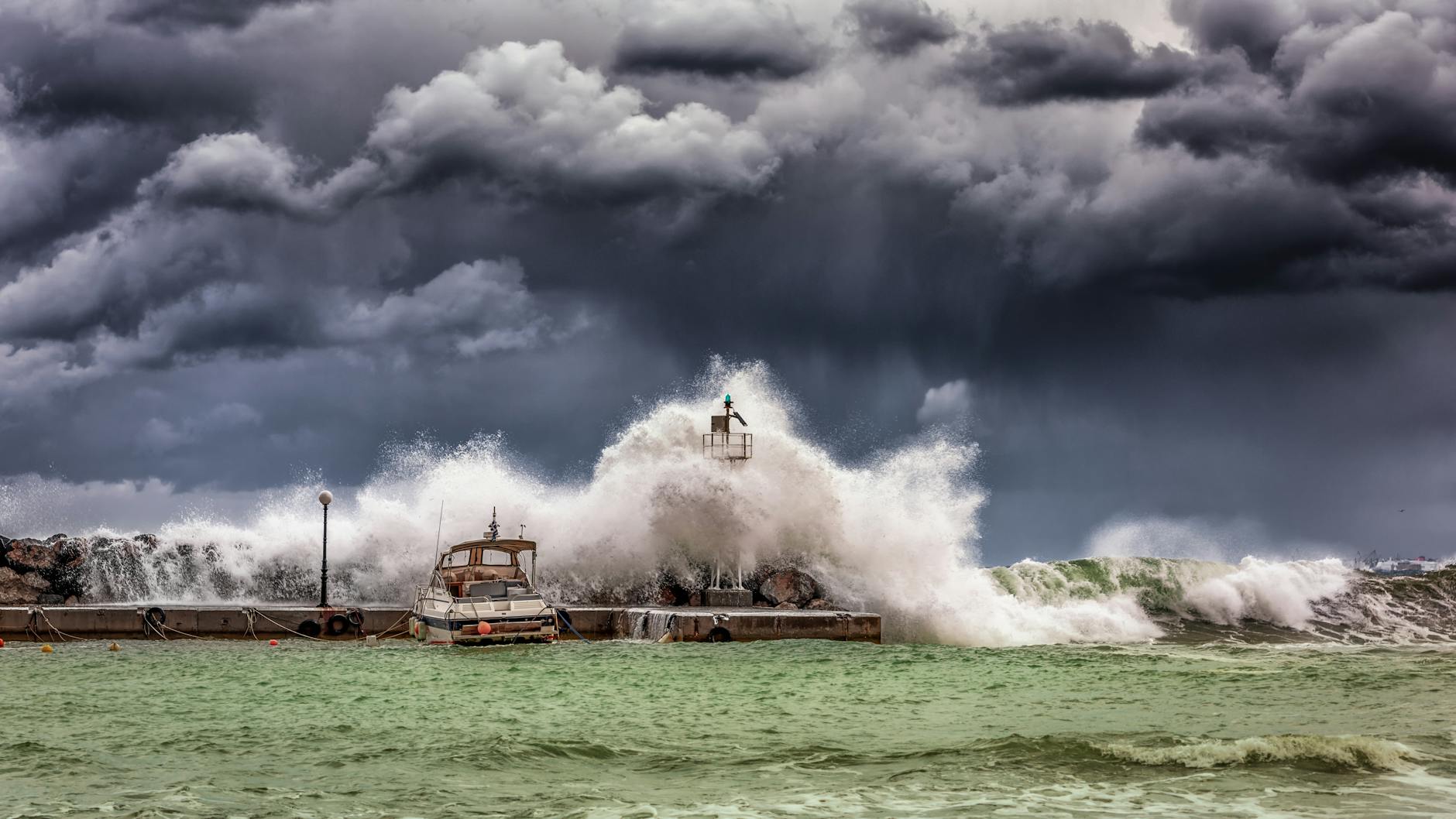
Knowing what to do when the power goes out is part of living in the Florida Panhandle. Summer thunderstorms knock out feeders for an hour or two, and a hurricane can leave whole counties dark for a week or more. The steps are different depending on how long the outage lasts, so this guide is organized by the clock: the first ten minutes, the first few hours, and day two onwards.
Solar Cost Calculator – Florida Panhandle Only
* Estimate based on $3.25 per watt for solar installation.
* For Tesla Powerwall 3 Batteries, $15,000 for the first battery, $12,000 for each additional battery.
* Other variations and types of Batteries are available.
The first ten minutes
- Check whether it is just you. Look at your breaker panel and at your neighbors' lights. If only your house is out, a main breaker may have tripped.
- Report it. Use your utility's app, text line or phone number. Do not assume someone else has. In the Panhandle that may be FPL, or a cooperative such as CHELCO, Gulf Coast Electric, West Florida Electric or Escambia River Electric.
- Switch off the air conditioner at the thermostat and unplug sensitive electronics. This protects them from the surge when power returns.
- Leave one light switched on so you know when the power is back.
- Use flashlights, not candles.
The first few hours
- Keep the fridge and freezer closed. A closed refrigerator keeps food safe for about four hours. A full freezer holds its temperature for about 48 hours, a half-full one for about 24.
- Stay cool. Close blinds on the sunny side, open windows on the shaded side once the outside air is cooler than inside, and drink water. Check on older neighbors.
- Save phone battery. Lower the brightness, switch off background apps and charge from the car if you need to.
- Never run a generator indoors or in a garage, even with the door open. Keep it at least 20 feet from the house with the exhaust pointing away.
- Never plug a generator into a wall outlet. This sends power back up the line and can kill a utility worker. Use a proper inlet and interlock or transfer switch.
Day two and beyond
- Food. Throw out refrigerated meat, dairy and leftovers that have been above 40 degrees for more than two hours. When in doubt, throw it out.
- Water. If you are on a well, you have no pump without power. If you are on town water after a major storm, listen for boil-water notices.
- Medication and medical equipment. Move insulin and similar medicines to a cooler with ice. If someone in the home relies on powered equipment, contact your county's special-needs registry before storm season, not during it.
- Heat. A closed-up Florida house becomes dangerous in summer. Find a cooling center, a relative with power, or a public building if anyone in the home is struggling.
- Fuel. Plan generator fuel for several days, and store it outside living spaces.
If you have solar panels
This surprises many owners: a standard grid-tied solar system switches itself off when the grid goes down. It is a safety requirement, so that your panels do not feed electricity into lines that crews are repairing. Your panels will only power the house during an outage if the system includes battery storage or a backup-capable inverter that can isolate the home from the grid. We explain the details in can solar work during power outages?
With a battery, the changeover is automatic and usually fast enough that you barely notice it. The battery runs the circuits you have chosen through the night and the panels refill it the next day. How much it can carry depends on its size and on what you ask of it; see whole-home versus essential-loads backup and whether battery backup is necessary in the Panhandle.
Getting ready for the next one
Every outage teaches you what you were missing. Write the list while it is fresh: a second flashlight, a battery fan, a cooler, a way to charge phones, a plan for the freezer. Then decide whether you want a longer-term answer.
- A generator inlet lets a portable generator run chosen circuits safely.
- Battery storage gives silent, automatic backup, and with solar it recharges without fuel.
- Adding a battery to an existing solar system is usually possible, even if another company installed it.
MSM Solar installs batteries and generator inlets for homes from Pensacola and Navarre to Panama City Beach. We will tell you plainly what a given battery will and will not run before you spend anything.
Why the power goes out here
Knowing the cause helps you guess the length. Afternoon thunderstorms and lightning trip protective devices on the lines, and crews often restore those within an hour or two. A vehicle hitting a pole or a failed transformer can take half a day. Tropical storms and hurricanes bring down trees across whole feeders and can damage substations, and restoration then runs to days or weeks. Utilities restore hospitals, water plants and main lines first and work outward, so homes at the end of a rural line near Bonifay, Wewahitchka or Laurel Hill are often among the last to come back.
When the power comes back
- Wait a few minutes before switching large appliances on, and turn them on one at a time.
- Check that the AC, well pump and water heater are running normally.
- Reset clocks, timers and irrigation controllers.
- Check the fridge and freezer temperatures before deciding what food to keep.
- If lights are unusually dim or bright, or only half the house has power, switch off the main breaker and call your utility. That can indicate a damaged neutral, which is dangerous for appliances.
- If you have solar, expect the inverter to wait about five minutes after the grid returns before it starts producing again. That delay is normal.
A simple outage kit
- Headlamps and spare batteries
- Two power banks and a car charger
- A battery or rechargeable fan
- A cooler and a plan for ice
- Three days of water and food that needs no cooking
- A battery or hand-crank weather radio
- A printed list of phone numbers, including your utility's outage line
Frequently asked questions
How long is food safe in the fridge without power?
About four hours if the door stays shut. A full freezer keeps food frozen for about 48 hours, and a half-full one for about 24.
Should I turn off my main breaker during an outage?
You do not have to, but switching off the AC and unplugging electronics protects them from surges when power returns. Turn the main off if you see signs of electrical damage or flooding.
Do solar panels work during a power outage?
Not on a standard grid-tied system. They work in an outage only when paired with battery storage or a backup-capable inverter.
Can I add a battery to the solar system I already have?
In most cases, yes, including systems installed by another company. The inverter type decides how it is done.
Conclusion
Report it, protect your electronics, keep the fridge shut, stay cool, and keep generators outside and off your house wiring unless you have a proper inlet. Then use what you learned to prepare for the next outage while the weather is calm.
MSM Solar works with homeowners in Havana and Holt, and in every town between Pensacola and Apalachicola.
If the last outage convinced you that you want backup power, we can show you what a battery or a generator inlet would run in your home and what it would cost. Call MSM Solar at (850) 737-5197 or request a free quote, and we will call you back no later than two business days.