If you own or are buying an older house in the Panhandle, sooner or later an insurance agent will ask for a four-point inspection. In Florida it has become a routine condition for insuring homes past a certain age, and the result can decide whether you are offered a policy at all. It is a short, inexpensive inspection, but it catches many owners off guard. Here is what the inspector looks at, what tends to cause problems, and how to prepare.
Solar Cost Calculator – Florida Panhandle Only
* Estimate based on $3.25 per watt for solar installation.
* For Tesla Powerwall 3 Batteries, $15,000 for the first battery, $12,000 for each additional battery.
* Other variations and types of Batteries are available.
What a four-point inspection is
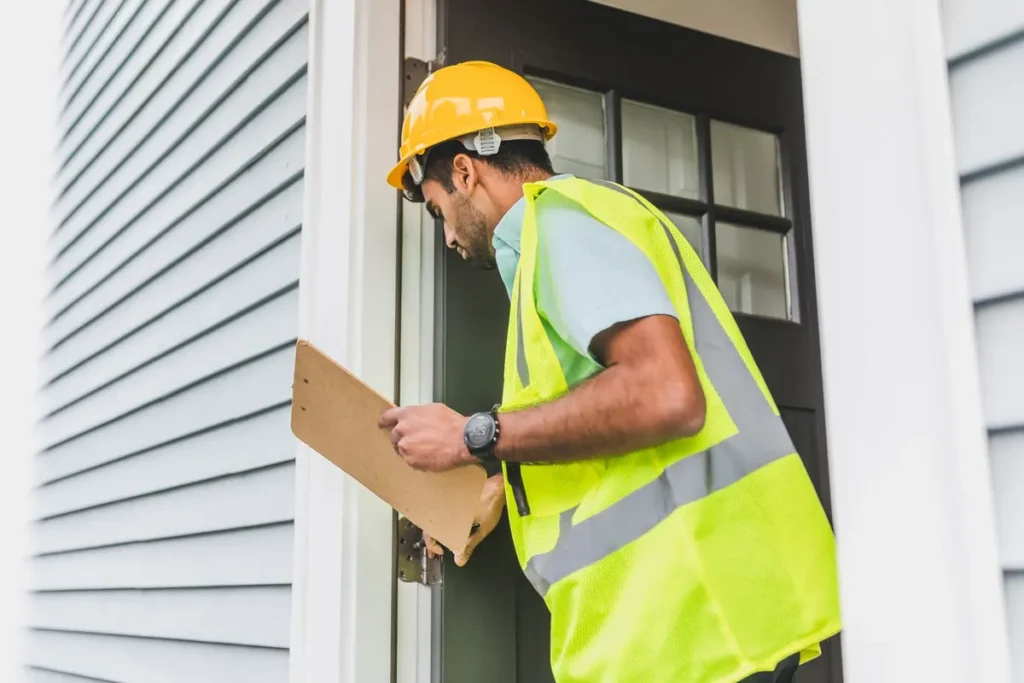
It is a limited inspection of four systems: the roof, the electrical system, the plumbing and the heating and air conditioning. The inspector records the age, type and visible condition of each, takes photographs, and completes a standard form that the insurer uses to judge risk. It is much narrower than a full home inspection. It does not cover appliances, windows, foundations or cosmetic condition.
When insurers ask for one
Requirements differ by company, but many Florida insurers ask for a four-point inspection when a home is around 20 to 30 years old or more, when you take out a new policy, or when you change insurers. Some ask for an updated one at renewal after a set number of years. If you are buying an older home in Pensacola, Marianna or Apalachicola, expect to need one before closing so that cover can be bound.
Point 1: the roof
The inspector notes the roofing material, its age, the date of the last permit, any visible damage or leaks, and an estimate of remaining useful life. Roof age is the item most likely to affect your policy. Signs that cause trouble include missing or curled shingles, soft spots, exposed nails, patched areas and ceiling stains indoors. A closed roofing permit and a paid invoice are the best proof of age.
Point 2: the electrical system
This covers the panel brand and size, the type of wiring, and visible hazards. Common issues are:
- Panels on insurers' problem lists, including certain Federal Pacific, Zinsco, Challenger and Sylvania models.
- Fuse boxes.
- Aluminum branch wiring from the 1960s and 1970s, unless it has been repaired with approved connectors.
- Cloth-covered or knob-and-tube wiring.
- Double-tapped breakers, scorch marks, missing covers and open junction boxes.
- Service below 100 amps.
Point 3: the plumbing
The inspector records the supply and drain pipe materials, the age and condition of the water heater, and any active leaks. Polybutylene supply pipe, a gray plastic used from the late 1970s to the mid 1990s, is frequently declined by insurers. Galvanized steel pipe that is corroding, old water heaters with rust at the base, and missing or badly routed relief valve pipes are other common findings.
Point 4: heating and air conditioning
The form asks for the type and age of the system and whether it works. The home needs a permanent heat source, which in Florida is normally a heat pump or electric strip heat in the air handler. Space heaters do not count. Rusted air handlers, blocked condensate drains with water damage, and very old systems may be noted.
How to prepare
- Gather paperwork: roof permit and invoice, receipts for any replacement of the panel, water heater or air conditioner, and permits for re-piping.
- Clear access to the attic hatch, the electrical panel, the water heater and the air handler.
- Fix small things: replace missing cover plates, clear the condensate drain, repair dripping faucets, and secure the water heater relief pipe.
- Look at the panel label yourself. If it is one of the problem brands, get an electrician's quote before the inspection so you know your options.
- Look at the roof from the ground with binoculars and deal with obvious loose shingles.
What it costs and how long it takes
A four-point inspection is usually a modest fee and takes about an hour. Many inspectors offer it together with a wind mitigation inspection at a combined price, which is worth doing because the wind report can earn premium credits. Reports are generally accepted for about a year, although each insurer sets its own rule.
If something fails
The inspection is not pass or fail in a formal sense, but an insurer can decline, or make cover conditional on repairs within a set period. Get quotes quickly and ask your agent exactly what proof is needed afterward, usually an invoice, a permit and photographs. Different insurers have different tolerances, so an independent agent can sometimes place the home elsewhere while you make repairs.
Where solar fits in
Solar panels are not one of the four points, but they touch two of them. The roof beneath the array should have plenty of life left, and the electrical connection should be tidy, labeled and permitted. An inspector who sees a professional installation with a closed permit has nothing to flag. An unpermitted or abandoned system is different. If you have bought a home with solar that nobody can explain, or your installer has gone out of business, MSM Solar can inspect it and give you a written report on its condition and production.
If a re-roof is required, we remove and reinstall existing arrays to fit around the roofer's schedule, and our affiliates page lists roofers we work with. For more on the roof and electrical side, see why roof load capacity matters and do solar panels damage your roof? Planning solar on a newly insured home in Pensacola, Marianna or Apalachicola? A free site survey is the place to start.
Frequently asked questions
Is a four-point inspection the same as a home inspection?
No. A home inspection is a broad review for a buyer. A four-point inspection covers only roof, electrical, plumbing and HVAC, for an insurer.
How old does a house have to be to need one?
It depends on the insurer. Many ask at around 20 to 30 years, and some for any home when a new policy is written.
Can I do the inspection myself?
No. It must be completed and signed by a qualified professional such as a licensed home inspector, contractor, engineer or architect.
Do solar panels cause a four-point inspection to fail?
A permitted, professionally installed system should not. Tell your insurer about the system so it is included in your cover.
Conclusion
A four-point inspection in Florida is quick and inexpensive, and most problems it finds are known in advance: an old roof, a troublesome panel, ageing pipes or a tired air conditioner. Collect your permits and receipts, fix the small items, and get quotes for the big ones before the inspector arrives.
MSM Solar works with homeowners in Graceville, Greensboro, Havana, Holt and Laurel Hill, and in every town between Pensacola and Apalachicola.
If a solar system on the house needs checking, documenting or moving for a new roof, call MSM Solar at (850) 737-5197 or request a free quote, and we will call you back no later than two business days.