Hurricanes, Roofs & Weather
How solar holds up to Panhandle storms, salt air, heat and hail, and what to know about roofs before and after installing panels.
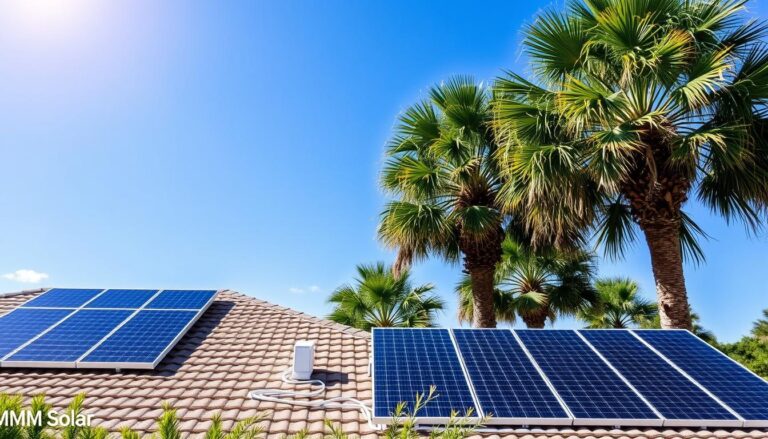
Lightning Bonding Jumpers Across Rails: Small Part, Big Difference
When a solar array is exposed to the open sky, every metal component becomes a potential path for lightning. A single stray strike can travel along conductors, jump across gaps, and cause catastrophic damage to panels, inverters, and mounting structures. The solution...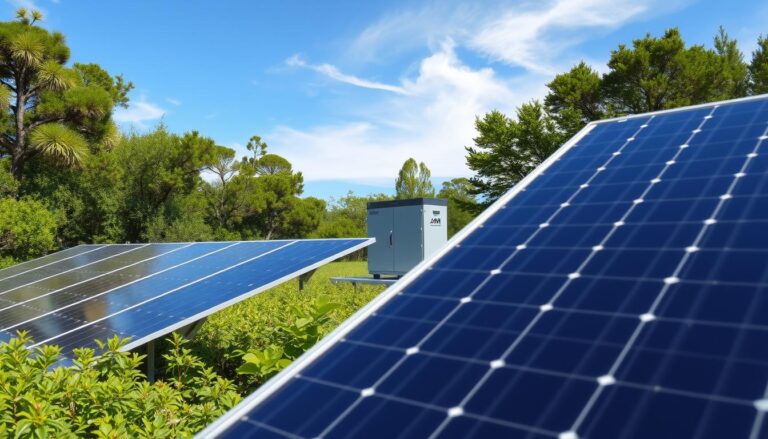
Elevated Arrays Above Tile: Ventilation Gaps & Flashing (Pensacola)
Understanding the Need for Airflow Under Tile Roofs Tile roofs are celebrated for their durability and classic appearance, but they also create a sealed envelope that can trap heat beneath the tiles. In sunny regions like Pensacola, the solar gain on a tiled surface...
Panel Snow Load vs Wind Load: Why Panhandle Specs Prioritise Wind
Introduction When designing solar panel arrays in the Northern Panhandle, engineers constantly balance two opposing forces: the weight of accumulated snow and the pressure of high‑velocity winds. While both loads are critical, the regional climate and topography cause...
PV Layout for Skylight Roofs: Don’t Block Egress or Light (Santa Rosa Beach)
Introduction When homeowners in Santa Rosa Beach decide to add solar panels, they often overlook the subtle but critical interaction between photovoltaic (PV) systems and existing roof features. A skylight can be a beautiful source of natural light, yet if a solar...