
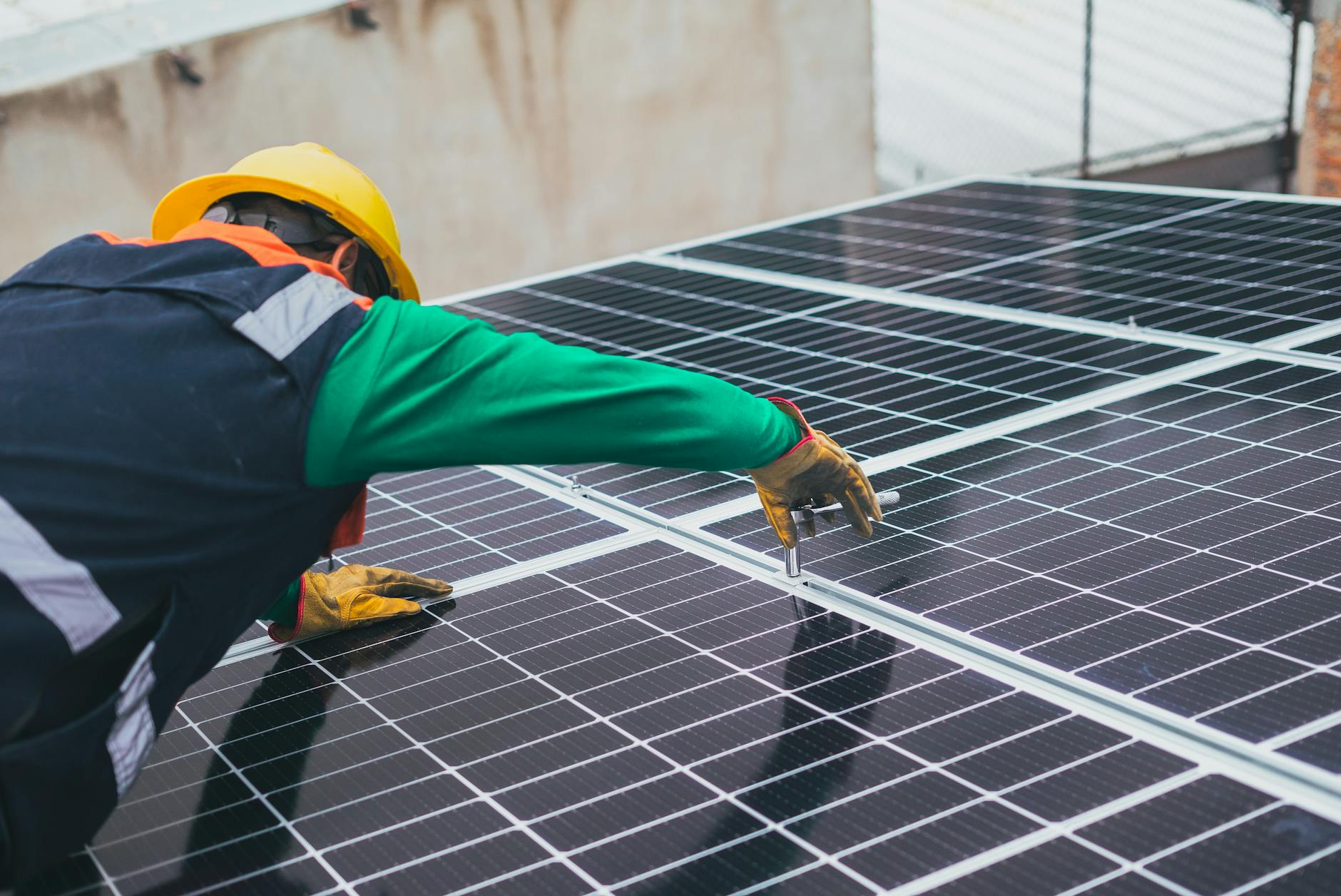
An emergency roof tarp is a temporary cover that keeps rain out of a storm-damaged roof until a roofer can make a permanent repair. Put it on only after the storm has passed and the roof is safe to reach, anchor it with wood strips instead of nailing through the tarp alone, run it over the ridge so water sheds on top of it, and photograph everything for your insurer. If your home has solar panels, never tarp over them or walk on them; have the array checked before anyone works around it.
When a roof needs an emergency tarp
Not every missing shingle is an emergency. A few lost tabs with the underlayment still intact can usually wait a short time for a roofer. The situation changes when the roof deck is exposed or water is already getting inside, because Panhandle weather rarely gives a damaged roof a long dry spell. Tarp the roof, or have it tarped, when you see any of the following:
- Bare decking or torn underlayment where shingles or metal panels blew off
- A hole or crushed area where a limb or debris hit the roof
- New or spreading water stains on ceilings, or water dripping from light fixtures
- Daylight or wet insulation visible from the attic
- Ridge caps, hip caps or flashing pulled loose along a large stretch
If you are not sure, look from the ground with binoculars and check the attic with a flashlight. Wet decking and insulation show up quickly after a storm.
Safety first: when not to go on the roof
Most serious injuries after a hurricane or severe thunderstorm come from cleanup work, and falls from roofs and ladders are among the worst. A tarp is worth having, but not at the cost of a fall. Stay off the roof and call a roofer or tarping crew if:
- Wind is still gusting or lightning is in the area
- The roof is wet, mossy, steep or more than one story up
- The roof is metal, which is very slippery when wet or dusty
- Any part of the roof feels soft or sags, which can mean damaged decking or trusses
- Power lines are down near the house or the service wires to the home are damaged
- Solar panels, wiring or conduit are damaged anywhere near the area you need to cover
If you do go up, never work alone. Set the ladder on firm, level ground at about one foot out for every four feet of height, extend it at least three feet above the roof edge, and keep it well away from the electrical service drop. A roof harness anchored to the structure is far safer than relying on footing.
What you need
- A heavy-duty, UV-resistant tarp large enough to cover the damage with several feet of overlap on every side and to reach over the ridge
- Straight 2x4 boards to wrap the tarp edges around
- Exterior screws or cap nails, and a drill or hammer
- Tape measure, utility knife and work gloves
- An extension ladder, a helper and, ideally, a roof harness
- A phone or camera for photos before, during and after
Thin light-duty tarps tear quickly in Gulf Coast wind and sun, so the heavier option is worth the extra cost.
How to install an emergency roof tarp step by step
- Clear the area. Remove loose branches and debris from the damaged section so the tarp lies flat and nothing punctures it.
- Measure. Measure the damaged area and add several feet on every side. The top edge should go over the ridge onto the other side of the roof, so rain runs over the tarp instead of under it.
- Anchor the top edge. Roll the top edge of the tarp around a 2x4 and fasten the board to the roof on the far side of the ridge. Fastening through the wood holds far better than fastening through the tarp or its grommets, which tear in wind.
- Roll it down the slope. Unroll the tarp down over the damage, keeping it tight and free of wrinkles that catch wind and hold water.
- Secure the bottom and sides. Wrap the bottom edge around another board and fasten it near the eave, then add boards along the sides. Keep fasteners to the minimum needed, since each one is a small hole the roofer will need to seal later.
- Check for gaps. Make sure no edge is loose enough for wind to get underneath. A tarp that catches wind can tear off and take more roofing with it.
- Inspect after every storm. Look at the tarp after each heavy rain or wind event until the permanent repair is done, and tighten or replace anything that has loosened.
If your home has solar panels
Solar arrays change the job. Panels produce voltage whenever light hits them, even when the grid is down, so damaged panels, cut wires or crushed conduit can be a shock hazard. Do not step on panels, lay a tarp across them, or fasten boards into the racking, rails or conduit. If the system has a shutdown switch and you know where it is, use it, then stay clear of any damaged equipment.
When the damaged roof area is under or right beside the array, a proper repair usually means removing the panels first and reinstalling them after the roof is fixed. Leaks that start at mounting points or wire penetrations also need someone who understands both roofing and solar flashing. MSM Solar handles post-storm inspections and solar service calls, works on any brand and age of system, including orphaned systems whose original installer has closed, and quotes service-call pricing up front.
Document the damage for your insurance claim
Homeowners policies generally ask you to take reasonable steps to prevent further damage after a loss, and a tarp is the most common one. Good records make the claim smoother:
- Photograph and video the roof damage before the tarp goes on, from the ground and, if safe, from the ladder
- Photograph the interior: ceiling stains, wet insulation, damaged belongings
- Take photos of the tarp once it is installed
- Keep receipts for the tarp, boards, fasteners and any crew you hire
- Keep pieces of damaged roofing if practical, until the adjuster has seen them
Call your insurer promptly and ask how they want you to proceed. Avoid making the permanent repair before the adjuster has inspected unless the insurer tells you to go ahead.
Hiring a tarping crew after a hurricane
After a major storm, demand for roofers jumps and out-of-area crews often go door to door. A few checks protect you:
- Confirm the roofing contractor's Florida license on the state's license lookup at myfloridalicense.com
- Get the price for tarping in writing before work starts
- Read every document carefully before signing, and do not sign anything that hands control of your insurance claim to someone else
- Be cautious of large upfront deposits for temporary work
After some federally declared disasters, the U.S. Army Corps of Engineers runs a free temporary roof program called Operation Blue Roof. It is only active after certain events, so check official county or FEMA announcements rather than assuming it is available.
How long an emergency tarp lasts
A tarp is a stopgap, not a repair. Sun exposure breaks down the material and wind works the fasteners loose, so plan on a permanent fix as soon as a roofer can schedule it. In the meantime, deal with the inside of the house. Wet drywall, insulation and carpet in a humid Florida home can start growing mold within days, so dry the area with fans and a dehumidifier and remove soaked materials that will not dry out.
Solar Cost Calculator – Florida Panhandle Only
* Estimate based on $3.25 per watt for solar installation.
* For Tesla Powerwall 3 Batteries, $15,000 for the first battery, $12,000 for each additional battery.
* Other variations and types of Batteries are available.
Planning the permanent repair when solar is on the roof
If the roof needs a section replaced or a full re-roof, coordinate the roofer and the solar contractor before work starts. The usual order is: solar removal, roof repair or replacement, then reinstallation and testing of the array. MSM Solar removes and reinstalls systems for re-roofing and can look over the panels, wiring and mounts while they are off the roof. Homes in Crestview, Navarre and nearby towns often face this after a hurricane season, and planning it as one project avoids paying for two separate trips.
If you are replacing a roof anyway and have been considering solar, that is also the cheapest moment to add it, since the array goes on a fresh roof and will not need to come off again for many years. MSM offers free site surveys and written quotes for new installations.
Frequently asked questions
Can I tarp my roof myself?
On a low, single-story shingle roof in calm, dry weather, many homeowners can do it with a helper and the right ladder setup. On steep, wet, metal or two-story roofs, or anywhere near damaged wires or solar equipment, hire a professional.
Should I nail the tarp directly to the roof?
Fastening only through the tarp or its grommets is the most common reason tarps blow off. Wrap the edges around 2x4 boards and fasten through the boards, using as few fasteners as needed.
Can I put a tarp over my solar panels?
No. A tarp across panels can trap heat, catch wind and pull on the racking, and working on or around damaged panels carries a shock risk. Have the array inspected and, if needed, removed before the roof under it is repaired.
Will insurance pay for an emergency roof tarp?
Reasonable emergency repairs are often handled as part of a covered roof claim, but it depends on your policy and deductible. Keep receipts and photos and ask your insurer before you hire a crew.
Conclusion
MSM Solar works with homeowners in Chipley, Fort Braden, Fountain, Freeport, Graceville and Greensboro, and in every town between Pensacola and Apalachicola.
An emergency roof tarp buys time after a storm, but only if it goes on safely, overlaps the ridge, is anchored with boards and is backed up by good photos for your insurer. Stay off wet, steep or damaged roofs, keep away from damaged solar equipment and wiring, and plan the permanent repair quickly. If your roof has solar panels, MSM Solar in Crestview (Florida Certified Solar Contractor License CVC57236) can inspect the system after a storm and remove and reinstall it for the roof repair. Call (850) 737-5197; a real person calls back within 2 business days.