
At MSM Solar LLC, we’re proud to be the trusted solar energy provider for families across the Florida Panhandle. As a family-owned business with 5-star reviews and an BBB A+ rating, we’ve made it our mission to help our community harness the power of the sun. Living in a hurricane-prone area, we understand the importance of durable, reliable systems. That’s why we specialize in hurricane-rated installations with saltwater corrosion protection, ensuring your investment stands the test of time.
We’ve seen firsthand how solar energy can transform Florida Panhandle homes. MSM Solar LLC holds Florida Certified Solar Contractor License CVC57236, and we set up monitoring on every system so you can track it. Florida’s abundant sunshine makes it a great place to save money with solar.
Also Read: How Solar Panels Are Made: Trusted Guide by MSM Solar LLC
We’re here to make the transition easy, from financing options to Florida's tax exemptions and net metering. Let’s build a brighter, more sustainable future together.
Find Us Here:
Key Takeaways
- MSM Solar LLC is a family-owned, BBB A+ rated company with 5-star reviews.
- Specializes in hurricane-rated systems with saltwater corrosion protection.
- Financing options, Florida tax exemptions and net metering savings.
- Monitoring so you can track your system's production.
- Licensed installer (CVC57236) and quality equipment for durability.
What Is Solar Energy?
Solar energy is one of the most abundant resources on Earth, and here in Florida, we’re blessed with plenty of it. Every day, the sun delivers an incredible amount of power—enough to meet global energy needs in just 1.5 hours. This is why it’s such a game-changer for sustainable living.
At its core, solar energy comes from the sun’s nuclear fusion process. Inside the sun, hydrogen atoms fuse into helium at temperatures of 27 million degrees Fahrenheit. This creates photons, tiny particles of light that travel to Earth. Every second, 500 million tons of hydrogen are converted, producing the sunlight we rely on.
Here in Florida, we feel the sun’s intensity firsthand. With an average of 237 sunny days per year, our state is a prime location for harnessing this energy. Whether it’s for electricity or heating, the possibilities are endless.
There are two main ways to capture solar energy: photovoltaic (PV) and concentrated solar power (CSP). PV systems, like the ones we install, convert sunlight directly into electricity. CSP, on the other hand, uses mirrors to focus sunlight and generate heat. Both are effective, but PV is more common for residential use.
For Florida homeowners, solar hot water systems are a great option, especially for pool heating. And with advanced storage solutions, you can even use solar energy at night. It’s all about making the most of the sunlight we’re so fortunate to have.
How Solar Panels Work: The Basics
The technology behind energy systems is rooted in a discovery from 1839. French physicist Edmond Becquerel first observed the photovoltaic effect, where light generates electricity. This groundbreaking moment laid the foundation for modern energy solutions.
The Photovoltaic Effect Explained
At the heart of every system are cells made primarily of silicon. These cells are engineered with layers of phosphorus and boron, a process called doping. When sunlight hits the cell, it knocks electrons loose, creating an electric current.
Think of it like a lemon battery. The silicon acts as the lemon, and the electrons are the energy that flows.
From Sunlight to Electricity: A Step-by-Step Process
Every panel has an anti-reflective coating to maximize light absorption. Inside, bus wires collect the electricity generated by the cells. This energy is in the form of direct current (DC), which I’ve seen firsthand on my meter readings.
Next, an inverter converts DC into alternating current (AC), the type of power your home uses, and feeds it into your home’s electrical system.
Finally, it’s crucial to use UL-listed components. Without them, systems can face corrosion risks, especially in coastal areas like Florida. Quality materials ensure your investment lasts for decades.
The Science Behind Solar Panels
Understanding the science behind energy systems can help you make informed decisions about your home. At the core of these systems are advanced materials and components designed for efficiency and durability. Let’s dive into the key elements that make them work so effectively.
Silicon Solar Cells: Why They Dominate the Market
Silicon is the backbone of modern energy solutions. Its unique properties make it ideal for capturing and converting sunlight into electricity. During my years in the industry, I’ve seen firsthand how silicon cells outperform other materials in both durability and performance.
There are two main types solar cells: monocrystalline and polycrystalline. Monocrystalline cells are made from a single crystal structure, offering higher efficiency. Polycrystalline cells, on the other hand, are made from multiple crystal fragments, making them more affordable but slightly less efficient.
Monocrystalline vs. Polycrystalline Panels
When choosing between these types solar solutions, it’s important to consider your specific needs. Monocrystalline panels are perfect for maximizing energy output in limited spaces. Polycrystalline panels, while less efficient, are a cost-effective option for larger installations.
In Florida, I’ve observed that monocrystalline panels perform exceptionally well in high-heat conditions. Their single-crystal structure ensures better heat tolerance, making them a reliable choice for our sunny climate.
How Inverters Convert DC to AC Power
Once energy is generated, it needs to be converted into a usable form. This is where inverters come in. They transform direct current (DC) into alternating current (AC), which powers your home appliances.
There are two main inverter types: string inverters and microinverters. String inverters are cost-effective and ideal for unshaded roofs. Microinverters, however, are better for homes with partial shading, as they optimize the performance of each panel individually.
During installations, I always recommend UL-certified inverters to ensure safety and compliance. This is especially important in hurricane-prone areas like Florida, where durability is a must.
Key Components of a Solar Panel System
When it comes to maximizing energy efficiency, the components of your setup play a crucial role. At MSM Solar LLC, we design custom solutions tailored to Florida homes, ensuring every part of the system works seamlessly together. Let’s explore the essential elements that make up a reliable and high-performing setup.
Solar Modules and Anti-Reflective Coatings
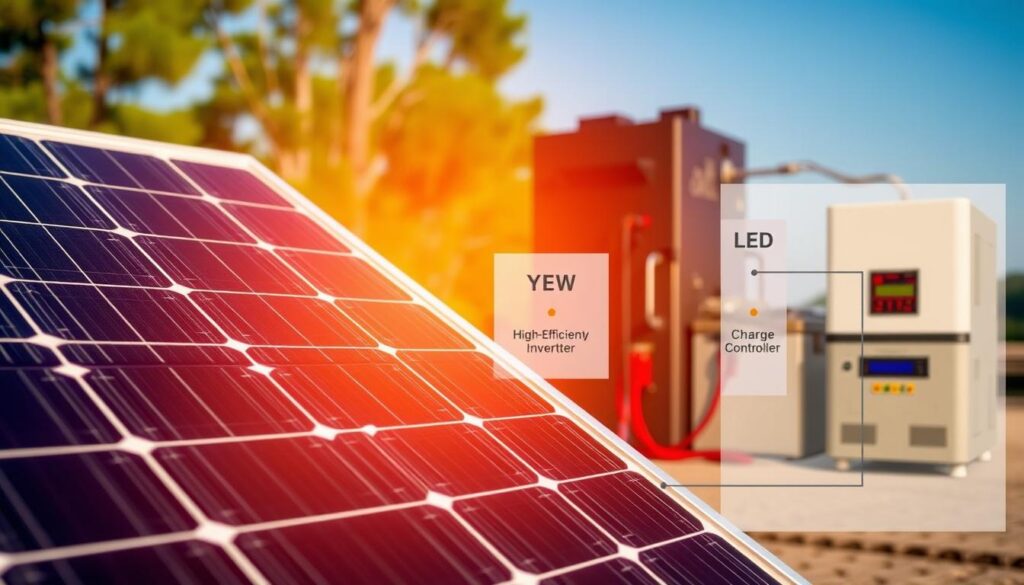
The heart of any system is its modules. These are designed to capture sunlight and convert it into usable energy. One feature that significantly boosts their performance is anti-reflective coatings. These coatings reduce glare and increase light absorption, especially important in Florida’s sunny climate.
From my experience with coastal installations, maintaining these coatings is key. Saltwater exposure can wear them down over time, so regular cleaning with mild solutions ensures optimal production. It’s a small step that makes a big difference in longevity and efficiency.
Mounting Systems for Optimal Sun Exposure
Proper mounting is just as important as the modules themselves. The angle and positioning of your setup directly impact energy yield. For Florida Panhandle homes, we recommend a tilt angle optimized for our latitude, typically between 28° and 34°.
During a recent Pensacola job, we compared rail-less and traditional racking systems. Rail-less options offer a sleek, low-profile design, while traditional racking provides more flexibility for adjustments. Both have their pros and cons, but the choice depends on your roof type and shading conditions.
For properties with oak trees or heavy shading, ground-mount systems are a great alternative. They allow us to position the panels in areas with maximum sunlight, ensuring consistent production throughout the year.
One caution: always use UL-approved mounting hardware. Unapproved materials can corrode quickly in Florida’s humid, salty air, compromising the entire system.
Solar Energy Storage and Grid Integration
Harnessing the sun’s energy doesn’t stop when the sun sets—modern storage solutions ensure your home stays powered around the clock. For Florida homeowners, this means peace of mind during outages and greater control over your energy usage. Let’s explore how these systems work and how they can benefit you.
Battery Storage Solutions for Florida Homes
During a multi-day outage, like those after Hurricane Sally, a battery such as a Tesla Powerwall can keep lights and a fridge running. That's the power of storage: it keeps essentials powered when the grid is down.
When choosing a battery, consider Florida’s heat. Lithium-ion batteries, like the Powerwall, handle high temperatures better than lead-acid options. They’re also more efficient and longer-lasting, making them ideal for our climate.
Here’s a quick comparison:
- Lithium-ion: Longer lifespan, better heat tolerance, higher efficiency.
- Lead-acid: Lower upfront cost, but requires more maintenance and performs poorly in heat.
Note that the federal credit for home batteries ended along with the solar credit after 2025.
Net Metering: How It Lowers Your Bills
Net metering is a game-changer for Florida homeowners. When your system produces more energy than you use, the excess is sent back to the grid. FPL credits you for this surplus, reducing your monthly bill.
Net metering credits you for excess power. Here’s how it works:
- Excess energy flows back to the grid.
- FPL tracks your production and usage.
- Credits are applied to your bill, lowering your costs.
Time-of-use rate optimization can maximize your savings. By shifting energy usage to off-peak hours, you can take full advantage of net metering credits.
With storm watch mode, your system can automatically charge your battery when severe weather is forecasted. This ensures you’re prepared for any outage.
Why Choose Solar in Florida?
Florida’s sunny climate makes it a prime location for harnessing renewable energy. With over 237 sunny days a year, our state ranks 3rd in U.S. solar potential. This means your home can benefit from consistent production and significant savings on energy costs.
Many homeowners see big drops in their monthly bills after switching to solar power, and earn credits through net metering on sunny days.
At MSM Solar LLC, we design for Florida's conditions, with corrosion-resistant hardware for coastal homes, for long-term efficiency and reliability.
Here’s why Florida homeowners are making the switch:
- Cost savings: Florida's sales-tax and property-tax exemptions shorten your payback period.
- Outage resilience: During Hurricane Irma, one of our clients stayed powered thanks to their system.
- Home value: On average, Florida homes with solar see a 25% increase in value.
- Local expertise: We handle all permitting and ensure compliance with Florida’s regulations.
With rising FPL rates, investing in solar power protects you from future hikes.
Let us help you unlock the full potential of Florida’s sunshine. Together, we can create a brighter, more sustainable future for your home.
Hurricane-Rated Solar Panels: Built for Florida’s Climate
Living in Florida means preparing for hurricanes, and your energy system should be no exception. At MSM Solar LLC, we design solar panels to withstand Florida’s toughest conditions. Our systems are engineered with UL 61730 wind load certification, ensuring they can handle winds up to 175 mph.
After Hurricane Michael, we inspected our installations in Panama City. Every panel remained intact, thanks to our aluminum alloy corrosion protection and stainless steel hardware. These materials resist saltwater damage, a must for coastal homes.
Our solar panels undergo rigorous wind tunnel testing. We compare frame thickness to competitors, ensuring ours are thicker and more durable. Impact-resistant glass adds another layer of protection, proven to withstand debris during storms.
Well-installed, properly flashed systems reduce the risk of water damage during heavy rains.
Beware of unrated panels. They may save upfront costs but fail when you need them most. Our systems are built to last, providing reliable power even in the harshest conditions.
Choose MSM Solar LLC for peace of mind. Our hurricane-rated solar panels are designed to protect your home and energy investment, no matter the weather.
Financial Incentives to Make Solar Affordable
Switching to renewable energy doesn’t have to break the bank. Florida's tax exemptions and flexible financing make it easier to invest in your home and future.
Florida Solar Tax Exemptions
Florida exempts solar equipment from its 6% sales tax and excludes the value solar adds to your home from property tax. The 30% federal homeowner tax credit ended for systems installed after December 31, 2025.
Here’s how it works:
- Install your system and calculate the total cost.
- For 2025 installs, claim the federal credit on your 2025 return.
- Enjoy immediate savings on your investment.
Financing Options
If upfront costs are a concern, financing can help. Whether you choose a loan, lease, or power purchase agreement (PPA), compare the total cost over the term.
Here’s a quick comparison:
- Loans: Own your system outright with fixed monthly payments.
- Leases: Pay a fixed rate for the energy produced.
- PPAs: Pay for the energy you use at a reduced rate.
One of my Pensacola clients opted for a loan with a 5-year ROI. They’re now enjoying lower energy costs and increased home value. Plus, Florida’s property and sales tax exemptions add even more savings to the mix.
Farms and rural small businesses may also qualify for USDA rural energy (REAP) grants.
MSM Solar LLC: Your Trusted Florida Solar Partner
Choosing the right partner for your energy needs is crucial, and at MSM Solar LLC, we’re here to guide you every step of the way. Our team is dedicated to providing efficient and reliable solutions tailored to Florida’s unique climate and your specific requirements.
Licensed Installation and Quality Equipment
MSM Solar LLC holds Florida Certified Solar Contractor License CVC57236, and every system we install meets state code requirements.
Here’s why Tier 1 equipment stands out:
- Higher efficiency: Tier 1 panels degrade slower, maintaining performance over decades.
- Better warranties: Manufacturers back their products with comprehensive coverage.
- Proven reliability: Rigorous testing ensures they withstand Florida’s harsh conditions.
25-Year Warranty and Real-Time Monitoring
Our 25-year warranty is designed to give you peace of mind. It covers everything from equipment to workmanship, ensuring your investment is protected. During a recent installation, I demonstrated our monitoring app, which sends alerts if there’s any drop in efficiency.
Here’s what our warranty includes:
- Production monitoring: see whether your system meets its production estimates.
- Rapid response repairs: Our local technicians are available to address issues quickly.
- Theft protection: We offer solutions to safeguard your equipment.
With real-time monitoring, you can track your energy production and usage from anywhere.
How to Get Started with Solar
Starting your journey with renewable energy is easier than you think, and we’re here to make it seamless. At MSM Solar LLC, we guide you through every step, ensuring your home is powered efficiently and affordably. Let’s break down our process so you know exactly what to expect.
First, we offer a free consultation to understand your needs. During this call, we’ll discuss your energy goals, review your utility bills, and assess your property using satellite imagery. This helps us create a custom design tailored to your home.
Next, we analyze your shading patterns with advanced software. This ensures your system is placed in the most efficient location. We’ll also compare three design proposals, so you can choose the one that fits your budget and costs expectations.
Once you’ve selected a design, we handle all the permitting. Our team ensures compliance with local regulations, saving you time and hassle. On installation day, we arrive prepared with all the necessary equipment and complete the setup efficiently.
After installation, we conduct a thorough inspection to ensure everything is working perfectly. You’ll also receive access to real-time monitoring, so you can track your energy production and savings. It’s that simple!
Here’s a quick overview of our 7-step process:
- Free Consultation: Discuss your goals and review your utility bills.
- Satellite Imagery Assessment: Analyze your property for optimal placement.
- Shading Report: Use software to identify the best locations for solar panels.
- Design Proposals: Compare three custom designs tailored to your needs.
- Permitting: Handle all paperwork and ensure compliance.
- Installation: Complete the setup efficiently and professionally.
- Post-Install Inspection: Ensure your system is working perfectly.
Ready to take the first step? Contact us today for your free consultation and let’s make your home more sustainable together.
Conclusion
Making the switch to renewable energy is one of the best decisions you can make for your home and future, bringing savings, reliability and energy independence.
Now is a good time to act, with utility rates rising. Panels typically carry 25-year performance warranties, so your investment can stand the test of time.
We’re here to make the process easy. Take advantage of our free shade analysis tool to see how much you could save. Ready to get started? Click to call us today for a consultation. As a family-owned business, we’re committed to being your trusted solar partner every step of the way.
FAQ
What is the photovoltaic effect?
The photovoltaic effect is the process where sunlight is converted into electricity. When photons from the sun hit a solar cell, they knock electrons loose, creating an electric current.
How do inverters convert DC to AC power?
Inverters take the direct current (DC) electricity generated by solar panels and convert it into alternating current (AC), which is the type of power used in homes and businesses.
What are the differences between monocrystalline and polycrystalline panels?
Monocrystalline panels are made from a single crystal structure, offering higher efficiency and a sleek look. Polycrystalline panels are made from multiple crystal fragments, making them more affordable but slightly less efficient.
How does net metering work?
Net metering allows you to send excess electricity generated by your solar system back to the grid. In return, you receive credits on your utility bill, reducing your overall energy costs.
Why is silicon used in solar cells?
Silicon is a semiconductor that efficiently converts sunlight into electricity. Its abundance and reliability make it the most common material used in solar cell production.
What are the benefits of battery storage for solar systems?
Battery storage lets you store excess energy for use during cloudy days or at night. It ensures a consistent power supply and increases your energy independence.
How do mounting systems optimize solar panel performance?
Mounting systems position panels at the best angle to capture maximum sunlight. Proper installation ensures higher energy production and long-term durability.
What happened to the 30% federal solar tax credit?
It let homeowners claim 30% of their solar system’s cost against federal taxes, but it ended for systems installed after December 31, 2025.
Why choose hurricane-rated solar panels in Florida?
Hurricane-rated panels are designed to withstand Florida’s severe weather conditions. They ensure your system remains durable and functional, even during storms.
What makes MSM Solar LLC a trusted solar partner?
MSM Solar LLC is a licensed Florida solar contractor using quality equipment, and we set up monitoring so you can see how your system performs.