
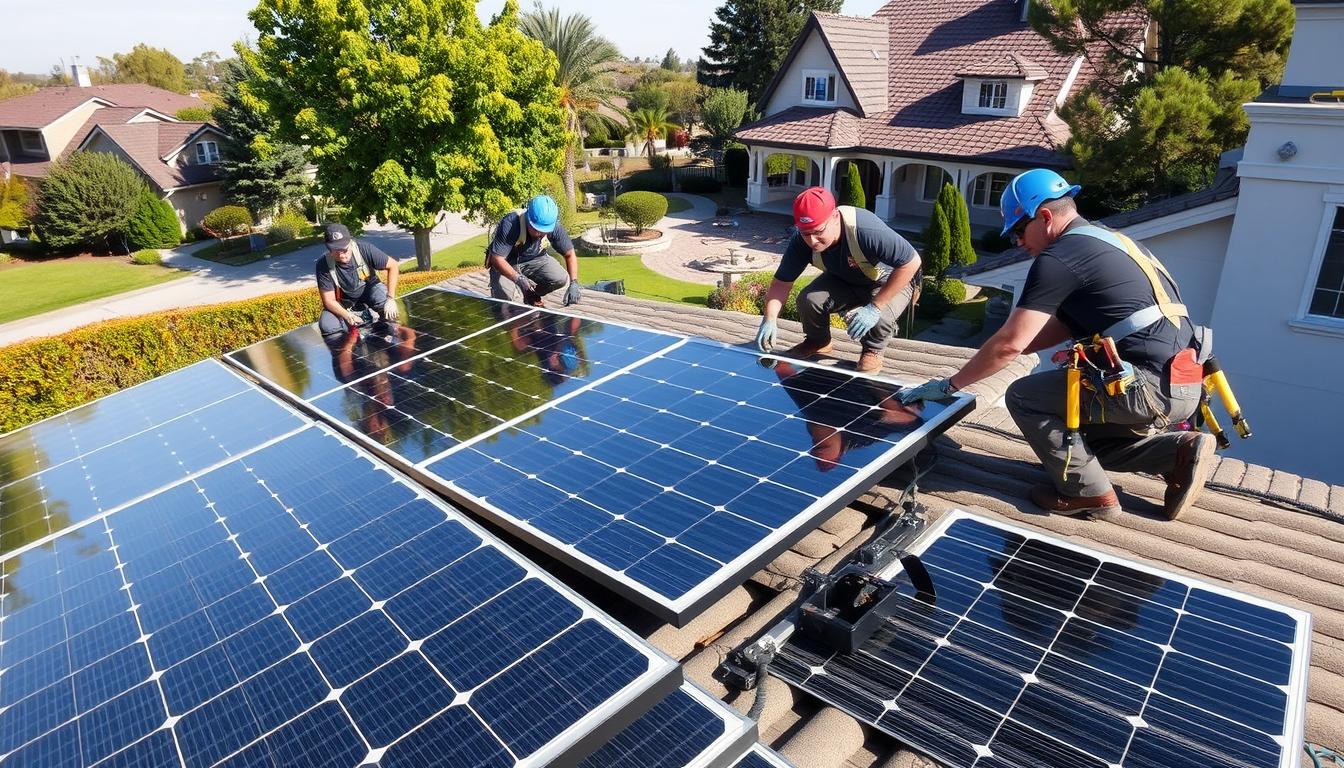
If you’ve been considering solar power for your Tallahassee, FL home, 2025 is a great year to make it happen. With utility rates rising across North Florida and new clean energy incentives rolling out statewide, more homeowners are asking the same question: “What’s the best way to pay for solar?”
Fortunately, you don’t have to pay cash upfront. From low-interest loans to local utility programs, there are several solar financing options in Tallahassee designed to make solar affordable and accessible — even for first-time buyers.
In this 2025 guide, we’ll break down your main financing choices, current rates, and how to choose the right path for your budget and long-term savings.
Also Read: Comparing Solar Panel Warranties in Fort Walton Beach
Solar Cost Calculator – Florida Panhandle Only
* Estimate based on $3.25 per watt for solar installation.
* For Tesla Powerwall 3 Batteries, $15,000 for the first battery, $12,000 for each additional battery.
* Other variations and types of Batteries are available.
Why Financing Makes Sense in 2025
Solar systems typically last 25–30 years. The 30% federal tax credit ended for homeowner systems installed after December 31, 2025, but financing can still keep monthly payments close to what you paid for electricity before.
For example:
- Average Tallahassee home uses 1,000–1,200 kWh/month.
- A 7.5 kW solar system costs about $21,000 before incentives.
- Without the federal credit, a typical system costs about $21,000.
- Monthly loan payments average $110–$140, versus a $160+ electric bill.
Even with financing, solar pays for itself, and your savings start on day one.
Cash Purchase
Best for:
Homeowners with savings or access to home equity.
How it works:
You pay the full system cost upfront and own your solar system outright.
Pros:
- Highest long-term return on investment (ROI).
- No monthly loan or interest payments.
- Full eligibility for all federal and state incentives.
Cons:
- High upfront cost (often $20,000–$35,000).
- Opportunity cost of tying up capital.
ROI Snapshot (7.5 kW System)
- Total investment: about $21,000
- Annual savings: ~$1,500
- Payback period: 8–9 years
- Lifetime savings: $30,000+
If you can afford the upfront cost, paying cash delivers the fastest and cleanest return on your solar investment.

Solar Loans
Best for:
Most homeowners, ideal balance of affordability and ownership.
How it works:
A solar loan lets you install panels with little or nothing down and repay over time (typically 10–25 years). You own the system and build home equity.
Loan Types
| Type | Typical Term | Interest Range (2025) | Notes |
|---|---|---|---|
| Secured (Home Equity / HELOC) | 10–20 yrs | 5–8% | Lower rates, but tied to your home. |
| Unsecured Solar Loan | 10–25 yrs | 6–9% | Based on credit score; faster approval. |
| PACE Financing (Property-Assessed) | 15–25 yrs | 7–9% | Repaid via property taxes; available in select counties. |
Current 2025 rates in Tallahassee average 6.5%–8.5%, depending on credit and loan type.
Pros:
- $0 down payment.
- Own your system and get all incentives.
- Loan payments often replace or undercut your utility bill.
- Boosts property value.
Cons:
- Interest cost over time.
- Liens (for PACE) may complicate home resale if not paid off.
Example: Unsecured Solar Loan
- System: 7.5 kW
- Cost: about $21,000
- Loan term: 15 years @ 6.99%
- Monthly payment: ~$130
- Old electric bill: $160/month
You save $30 per month immediately, and once the loan is paid off, you’ll enjoy nearly free electricity for the next 15 years.
PACE Financing in Florida
PACE stands for Property Assessed Clean Energy, a program that lets homeowners finance solar improvements through their property tax bill instead of a traditional loan.
Key Features
- No credit check (approval based on home equity).
- Payment added to property tax bill.
- Transferable to new owners if you sell your home.
- You own the system and keep all the savings.
Tallahassee Availability
While PACE programs are not yet active in Leon County, they’re available in nearby Panhandle counties (like Bay and Walton). That said, several state-backed programs are expanding coverage in 2025, keep an eye on local legislation or check with providers like Ygrene and RenewPACE.
Pros:
- No upfront cost.
- Repayment via taxes (no monthly bill).
- May increase resale appeal since payments transfer.
Cons:
- Adds a lien to your property.
- Must be current on mortgage and taxes.
Home Equity Loans & HELOCs
If you’ve built some equity in your Tallahassee home, a home equity loan or HELOC (Home Equity Line of Credit) can be one of the lowest-cost ways to finance solar.
Current 2025 Rates
- Home Equity Loans: 5.5–7%
- HELOCs: 6–8% variable rate
Benefits
- Interest may be tax-deductible.
- Use for solar, batteries, or roof upgrades.
- No contractor markup (funds go directly to you).
This is an excellent choice if you plan to combine roof replacement + solar installation for hurricane compliance.
Utility & Local Programs
City of Tallahassee Utilities: Solar + Net Metering
The City of Tallahassee Utilities supports homeowners who produce their own power. Their net metering policy credits you at the retail rate for excess electricity sent back to the grid.
They also provide:
- Low-interest Energy Efficiency Loans (up to $20,000 for solar).
- Fixed-rate terms of 5 years at 5% interest.
- Eligibility: Primary residences within city service area.
Contact: talgov.com/you/energyloans
Solar Leasing (Power Purchase Agreements)
Best for:
Homeowners who want solar with zero upfront cost and no ownership responsibilities.
How it works:
A third-party company installs and owns the panels on your roof. You pay a monthly lease or a per-kWh rate for the electricity they generate.
Pros:
- $0 down installation.
- Maintenance and repairs included.
- Lower energy bills from day one.
Cons:
- No ownership; the provider keeps any tax benefits.
- Long-term contracts (20–25 years).
- May complicate home resale or refinancing.
Solar leases are less common in Florida because state laws favor ownership, but some national companies (like Sunrun or Sunnova) offer limited lease/PPA programs in 2025.
Combination: Solar + Battery Financing
If you’re in Tallahassee, you’ve probably experienced your share of storm outages. Adding battery backup can make your solar system even more valuable for resilience.
Many lenders now offer combo loans for solar + batteries:
| System | Total Cost | After 30% ITC | Monthly (15 yrs @ 6.99%) |
|---|---|---|---|
| Solar only (7.5 kW) | $21,000 | $14,700 | $130 |
| Solar + Battery | $31,000 | $21,700 | $195 |
Batteries add about $8,000–$10,000 to project costs but can power essential loads for 1–2 days during grid outages, peace of mind during Florida’s storm season.
Federal & State Incentives (Stackable)
Don’t forget, financing is only part of the picture. Your solar ROI improves dramatically with current incentives:
Federal Homeowner Tax Credit
- Covers panels, inverters, batteries, and labor.
- Ended for systems installed after December 31, 2025.
- No income cap.
Florida Property Tax Exemption
- 100% exemption on added home value from solar.
Florida Sales Tax Exemption
- No 6% sales tax on solar equipment purchases.
Together, these reduce your upfront or financed costs by 30–36% immediately.
How to Choose the Best Option for You
When comparing financing programs, focus on these four criteria:
| Factor | Why It Matters |
|---|---|
| Ownership | Own your system to capture full ROI and incentives. |
| Interest Rate | Lower rates = faster payback. |
| Loan Term | Shorter terms cost more monthly but save on interest. |
| Transferability | Important if you might sell your home. |
Rule of Thumb:
If you plan to stay in your home for 5+ years, ownership-based financing (loan or cash) delivers the best return.
Quick Comparison: Solar Financing in Tallahassee
| Option | Ownership | Upfront Cost | Monthly Payment | Avg. Interest | Notes |
|---|---|---|---|---|---|
| Cash | ✅ | High | $0 | 0% | Best ROI |
| Solar Loan | ✅ | $0 | $100–$150 | 6–9% | Most popular |
| PACE | ✅ | $0 | Added to tax bill | 7–9% | Limited availability |
| HELOC / Home Equity | ✅ | $0 | $90–$130 | 5–8% | Great for upgrades |
| Lease / PPA | ❌ | $0 | Variable | — | No ownership |
| Utility Loan (Tallahassee) | ✅ | $0 | $100–$120 | ~5% | City-backed |
Example ROI: Tallahassee Homeowner
- System size: 7.5 kW
- Financing: 15-year solar loan @ 6.5%
- Monthly payment: $130
- Monthly savings: $160 on electric bill
- Net savings: $30/month immediately
- Payback period: 8 years
- Lifetime savings: ~$28,000
Key Takeaways
- Solar financing in Tallahassee, FL has never been more flexible.
- Choose ownership (loan or cash) to keep all the long-term savings.
- Compare loan types, unsecured solar loans offer the simplest path with $0 down.
- The City of Tallahassee Utilities loan program provides local support.
- Always confirm interest rates, loan terms, and warranty coverage before signing.
With the right financing, your solar system can start saving you money immediately while paying itself off over time, no big upfront investment required.
Final Word
Going solar in Tallahassee isn’t just about clean energy, it’s about smart financing. Whether you choose a city-backed loan, a HELOC, or a national solar lender, today’s options make it easy to lock in decades of predictable energy costs and home value growth.
In 2025, the math is simple: if your monthly solar payment is less than your electric bill, you’re already winning.