



Understanding the Rise of Energy Independence Among Homeowners
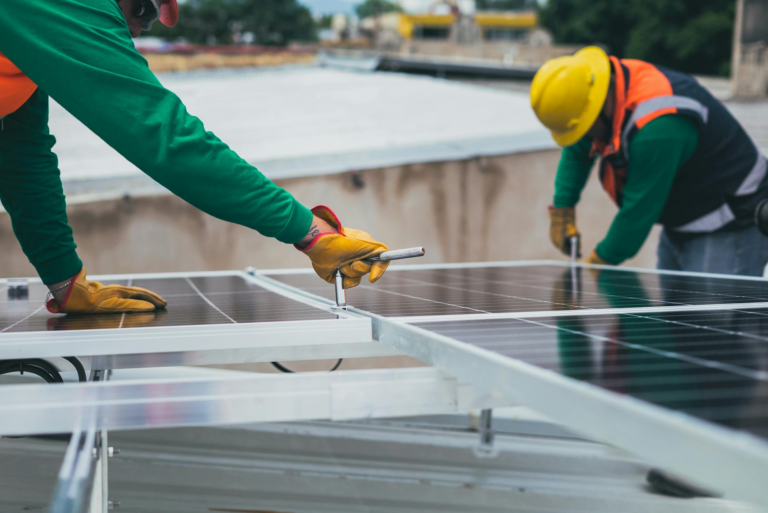
Across the Florida Panhandle, a quiet revolution is taking place in residential neighborhoods. Homeowners are no longer satisfied with simply paying monthly utility bills; they are actively seeking ways to break free from the grid’s unpredictability. This shift is driven by a combination of rising electricity costs, frequent storm‑related outages, and a growing awareness of environmental stewardship. For many, the answer lies in harnessing the abundant sunshine that blankets the region. When solar energy independence florida homeowners achieve a self‑sustaining power setup, they gain control over their energy future, reduce reliance on external providers, and often see a noticeable boost to their property values. This article explores why energy independence has become a top priority and how Florida residents can make the transition effectively.
Find us here:
Solar Cost Calculator – Florida Panhandle Only
* Estimate based on $3.25 per watt for solar installation.
* For Tesla Powerwall 3 Batteries, $15,000 for the first battery, $12,000 for each additional battery.
* Other variations and types of Batteries are available.
The Economic Drivers Behind Solar Adoption
One of the most compelling reasons homeowners pursue independence is the steady climb in utility rates. In recent years, Florida’s average residential electricity price has risen by more than 25 percent, a trend projected to continue as demand spikes and infrastructure costs climb. When families calculate the long‑term expense of staying connected to the grid, the numbers often point to a break‑even point within a decade after installing a solar system. Moreover, the ability to generate electricity on‑site means that solar energy independence florida homeowners can offset peak‑season rates, which are typically the highest during the hot summer months when air‑conditioning usage soars.
Storm Resilience and Power Outages
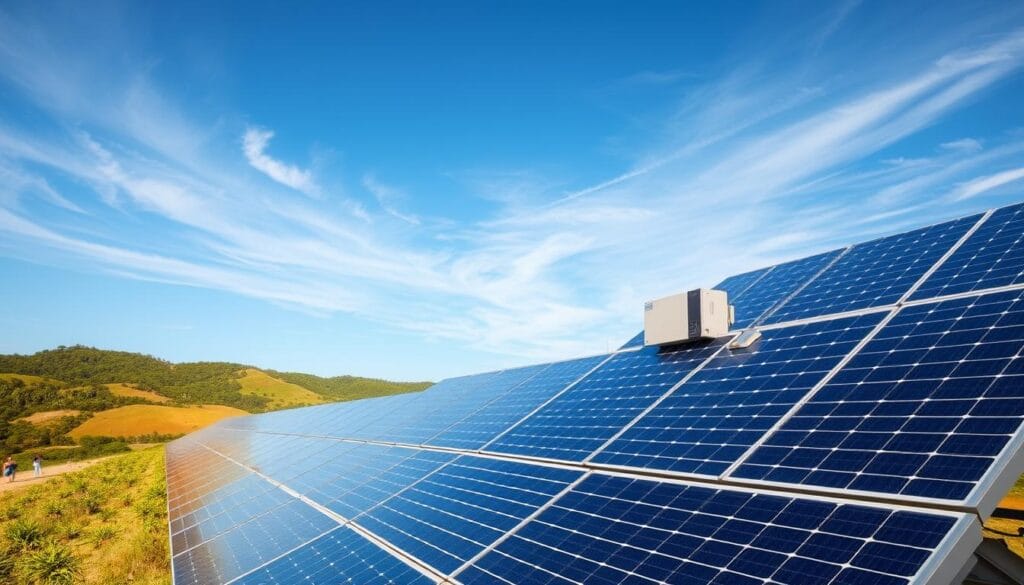
Florida’s climate brings a unique challenge: hurricanes and tropical storms that can knock out power for days or even weeks. Traditional grid reliance leaves homeowners vulnerable, especially when critical appliances like medical equipment, refrigeration, or home office setups are needed. By installing battery storage alongside solar panels, many solar energy independence florida homeowners create a resilient micro‑grid that can keep essential lights and devices running during emergencies, providing peace of mind that goes beyond financial savings.
Environmental Benefits That Complement Financial Gains
Beyond the wallet, the environmental impact of shifting to solar cannot be overstated. The Panhandle receives an average of 5.5 peak sun hours per day, making it one of the most efficient regions for photovoltaic (PV) generation in the United States. When homeowners transition to solar, they directly reduce carbon emissions, contributing to statewide goals for renewable energy adoption. For many families, the knowledge that they are helping to preserve the natural beauty of Florida’s beaches and wetlands adds a meaningful layer of satisfaction to their decision to pursue solar energy independence florida homeowners enjoy.
Key Environmental Advantages
- Reduction of greenhouse gas emissions by up to 100 tons per system over 25 years.
- Decreased reliance on fossil‑fuel‑based power plants.
- Improved local air quality, benefiting community health.
Financial Incentives Specific to Florida
The state of Florida offers several incentives that make the pursuit of energy independence even more attractive. The federal Investment Tax Credit (ITC) currently provides a 30 percent credit on the cost of solar installations, and Florida’s Property Tax Exemption ensures that the added value of a solar system does not increase property taxes. Additionally, certain counties within the Panhandle have utility rebates that further lower upfront costs. When solar energy independence florida homeowners combine these programs, the effective cost of a system can drop dramatically, shortening the payback period and enhancing overall return on investment.
Comparative Cost Overview
| Item | Average Cost (USD) | Potential Savings Over 25 Years (USD) |
|---|---|---|
| Residential Solar PV System (6 kW) | $15,000 | $40,000 |
| Battery Storage (10 kWh) | $8,000 | $12,000 |
| Combined System (incl. incentives) | $17,000 | $45,000 |
The table above illustrates a typical cost breakdown for a mid‑size residential installation in the Panhandle, factoring in federal tax credits and state exemptions. While the initial outlay may seem substantial, the cumulative savings—especially when accounting for avoided utility rate hikes—underscore why many families view solar as a strategic investment.
Steps to Achieve Solar Energy Independence
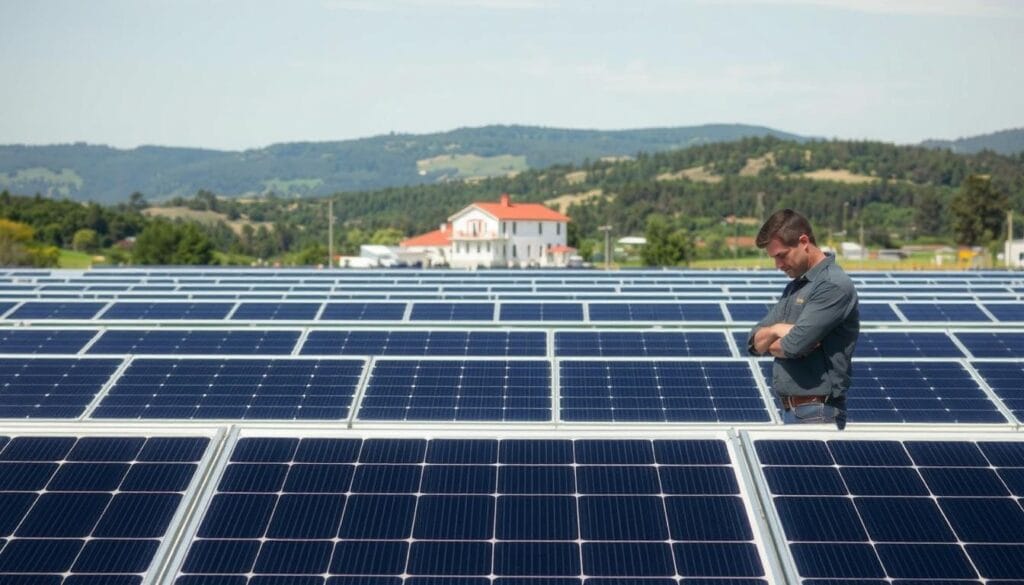
Transitioning to a self‑sufficient power setup involves several clear steps. First, homeowners should conduct a thorough energy audit to understand their consumption patterns. Next, they need to evaluate roof orientation, shading, and structural suitability for solar panels. After selecting a reputable installer, the design phase tailors the system size to meet the household’s annual electricity usage while leaving room for future expansion, such as adding electric vehicle (EV) charging. Finally, integrating battery storage ensures that generated power can be stored for nighttime use and during grid outages, completing the independence loop.
Choosing the Right Solar Provider
Not all solar companies offer the same level of service or warranty coverage. Homeowners seeking solar energy independence florida homeowners should look for providers with local experience, strong customer reviews, and transparent financing options. A reputable installer will also assist with permitting, interconnection agreements, and navigating incentive applications, reducing the administrative burden on the homeowner.
Maintenance, Monitoring, and Longevity
One common misconception is that solar systems require extensive upkeep. In reality, modern PV panels are designed to operate with minimal maintenance—typically a bi‑annual cleaning to remove dust, pollen, or bird droppings. Monitoring software, often included with the installation, provides real‑time data on system performance, alerting homeowners to any issues before they affect output. By staying proactive, solar energy independence florida homeowners can ensure their system operates at peak efficiency for 25 years or more.
The Future Landscape of Residential Energy in Florida
Looking ahead, the convergence of solar technology, battery innovation, and smart home integration promises an even more compelling case for independence. As battery costs continue to decline, the barrier to achieving a fully off‑grid capable home diminishes. Moreover, emerging policies that encourage community solar and peer‑to‑peer energy trading could allow homeowners who cannot install panels—due to shading or rental status—to still benefit from collective solar generation. For forward‑thinking families, embracing solar today positions them to capitalize on these upcoming advancements, reinforcing the importance of solar energy independence florida homeowners place on their long‑term strategy.
Conclusion
Energy independence is no longer a niche aspiration; it has become a mainstream priority for many residents of the Florida Panhandle. By leveraging abundant sunshine, taking advantage of generous incentives, and investing in reliable solar and storage solutions, solar energy independence florida homeowners can secure financial savings, enhance resilience against storms, and contribute to a cleaner environment. The path to independence is clear, and the benefits are compelling—making now the ideal time to explore a solar future.
